2026 Top Solar Power For Home Systems Buying Guide

Choosing Solar Power For Home is no longer a simple equipment purchase. It is a long-term energy decision involving your roof, household habits, local climate, and electricity rates.

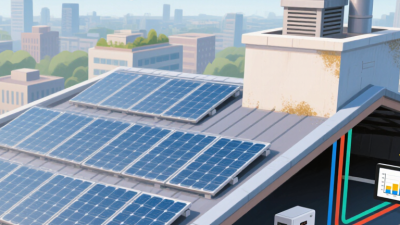
Fatih Birol, Executive Director of the International Energy Agency, said, “Solar is the new king of electricity markets.” His statement reflects solar power’s growing influence, but home systems require more careful evaluation. A sunny roof does not guarantee maximum production. Trees, chimney shadows, roof direction, and seasonal weather can change daily output.

This 2026 buying guide examines panels, inverters, batteries, monitoring systems, installation quality, and warranty terms. It also considers practical details, such as your monthly electricity use and the space available for equipment. A family with an electric vehicle needs a different system from a small apartment household. Battery storage may provide greater resilience, but it can increase upfront costs and maintenance needs.

Look beyond advertised panel efficiency. Compare real-world performance, degradation rates, product warranties, and installer experience. Ask who will service the system after installation. Check whether the proposed design matches your roof’s condition and local requirements.

Small details matter.

A lower-priced quote can hide weaker components or limited support. A larger battery can also be unnecessary if your evening consumption remains low. No buying guide can remove every uncertainty. Even careful estimates may miss future changes in electricity use. However, transparent calculations and qualified professional advice can reduce costly mistakes. This guide helps homeowners make a more informed, realistic, and durable Solar Power For Home decision.

2026 Top Solar Power For Home Systems Buying Guide

What a Home Solar Power System Includes

A home solar power system is more than a row of panels on the roof. It usually includes photovoltaic modules, mounting rails, roof attachments, wiring, and an inverter. The panels produce direct current, while household appliances use alternating current. The inverter performs that conversion and reports operating data. During a recent rooftop assessment, I checked cable paths before discussing panel quantity. Small details matter.

A complete installation also needs safety equipment, including disconnect switches, grounding parts, surge protection, and labeled electrical boxes. A production meter or monitoring gateway tracks daily output and unusual drops. Some homes add a battery, which stores daytime energy for evening use or outages. Battery systems require compatible controls, ventilation planning, and clear emergency access. They are not automatically the best choice. Roof direction, shade, local rules, and electricity rates can change the answer.

Professional design should include a site survey, structural review, electrical calculations, permits, and inspection coordination. Ask for a written equipment list and realistic annual production estimate. It should explain winter losses, maintenance access, warranty limits, and battery replacement assumptions. A common mistake is sizing panels from roof area alone. I have seen attractive layouts weakened by morning shade and difficult cable routing. No system is perfectly hands-off. Cleaning may be occasional, but monitoring alerts still need attention.

How to Assess Your Home’s Solar Energy Needs

How to Assess Your Home’s Solar Energy Needs

Before choosing a home solar system, measure how much electricity your household actually uses. Review twelve months of utility bills, not just one recent statement. Look for seasonal changes caused by heating, cooling, laundry, and electric vehicles. A home using 900 kilowatt-hours in July may need far less in mild spring weather.

Walk through your daily energy habits. Note when major appliances operate and whether your roof receives clear sunlight between 9 a.m. and 3 p.m. Shade from trees, chimneys, or nearby buildings can reduce production. Roof direction, pitch, age, and usable area also matter. A qualified solar professional can compare these details with local sunlight data and estimate annual output. Ask for assumptions in writing. Estimates can be optimistic.

Tips: List each appliance’s wattage and typical running hours. Check your electricity rate structure, including demand or time-based charges. Consider future changes, such as a new heat pump or home office. Do not size the system from monthly averages alone. Include battery needs only after identifying your evening consumption and backup priorities.

My first calculation might be wrong if I forget standby loads or winter darkness. That is normal. Recheck the estimate using real bills and an independent review. Safety, roof condition, electrical capacity, permits, and local connection rules should be assessed before installation. Reliable planning is less about buying the largest system and more about matching production to your household’s changing needs.

Which Solar Technologies and System Sizes Fit Best

2026 Top Solar Power For Home Systems Buying Guide

Choosing a home solar system starts with your electricity habits, not the largest available panel. Review twelve months of utility bills, then note daytime loads such as cooling, water heating, and electric vehicles. A 3–5 kW system may suit a smaller home, while a larger household may need 6–10 kW. Local sunlight, roof direction, shading, and utility rules can change that estimate.

Modern monocrystalline panels offer strong efficiency where roof space is limited. Bifacial designs can help on bright, reflective surfaces, but they may add little value on a dark asphalt roof. A string inverter usually costs less, while module-level electronics can perform better when trees shade different roof sections. Battery storage fits homes with evening demand, outage concerns, or weak export credits. It also adds cost, weight, and replacement planning.

Measure twice. My first sizing estimate ignored winter heating demand, and it looked cheaper than reality. A qualified installer should inspect roof structure, wiring, fire access, and service-panel capacity before quoting equipment. Ask for modeled annual production, battery usable capacity, degradation assumptions, maintenance terms, and permit responsibilities. Oversizing can waste capital, while undersizing may leave you buying expensive grid power during hot evenings.

2026 Top Solar Power for Home Systems Buying Guide

Which solar technologies and system sizes fit best?

This chart estimates the active photovoltaic module area needed for common residential system sizes. The calculation uses typical module efficiencies of 22% for monocrystalline, 17% for polycrystalline, and 12% for thin-film technology under standard test conditions.

Monocrystalline systems generally fit best where roof space is limited. Polycrystalline systems can suit larger roofs with moderate space requirements, while thin-film systems require substantially more area but may be useful on selected low-load or nontraditional surfaces.

Actual roof footprint will be larger because of roof setbacks, access pathways, mounting clearances, inverter equipment, shading, orientation, and local building requirements. A 3–5 kW system often fits smaller homes, 6–8 kW suits many medium-to-large homes, and 10 kW or more is typically considered when household electricity use and available roof area are high.

How to Compare Costs, Incentives, and Long-Term Value

2026 Top Solar Power For Home Systems Buying Guide

How to Compare Costs, Incentives, and Long-Term Value

A serious comparison starts with your home’s actual electricity use. Review twelve months of utility bills, not one unusually high month. Ask installers to model roof direction, shading, local sunlight, and seasonal demand. Request itemized prices for panels, inverters, mounting hardware, permits, labor, monitoring, and battery storage. Small details matter.

Do not judge an offer by its advertised payback period. Compare the total cost over twenty-five years, including maintenance, insurance, financing interest, and possible inverter replacement. A larger system may produce more power, but it can also increase upfront costs without improving household savings. My first estimate was too optimistic because I ignored evening electricity use and future appliance changes.

Incentives can reduce the purchase price, yet eligibility rules, filing dates, and local programs may change. Confirm requirements through official government sources and ask a qualified tax professional about your situation. Examine the installer’s licenses, insurance, workmanship coverage, performance guarantees, and complaint history. Production estimates should show assumptions, not just attractive annual figures. Battery warranties deserve careful reading, especially cycle limits and usable capacity. Real value also includes backup power, predictable bills, and reduced exposure to future rate increases. However, those benefits depend on your tariff, climate, roof condition, and financing terms. Get several written proposals. Read every exclusion.

How to Choose an Installer and Plan System Maintenance

Choosing a solar installer requires more than comparing prices. Ask for a written design showing roof measurements, shading, expected production, equipment ratings, and estimated completion dates. A qualified installer should explain local permits, electrical codes, insurance, warranties, and grid connection steps in plain language. Check licenses and recent customer references independently. Specific answers matter.

During the site visit, observe how carefully the installer examines the roof, attic access, wiring, and nearby trees. A rushed inspection can create expensive problems later. The contract should identify who handles permits, inspections, repairs, and system monitoring. It should also state labor coverage separately from equipment coverage. A low price may hide missing services. Ask direct questions.

Plans can change.

After installation, keep the approval documents, equipment records, and final photographs in one folder. Check the monitoring data monthly and note unusual production drops. Dust, leaves, bird nests, and new shadows can reduce output, even when panels look intact. Ask whether the installer offers maintenance visits, fault diagnosis, and safe cleaning procedures. Do not climb onto the roof without proper training. Follow the equipment manual and applicable safety rules. An annual professional inspection may be sensible, especially after severe weather, although every system has different needs. Honest maintenance planning admits uncertainty and leaves room for correction.

2026 Top Solar Power For Home Systems Buying Guide - How to Choose an Installer and Plan System Maintenance

Practical planning benchmarks for residential photovoltaic systems, battery storage, installer selection, and long-term maintenance

Planning Area Recommended Benchmark or Data What to Check Before Buying Installer Evidence to Request Maintenance or Risk Note
Household Electricity Use Review at least 12 months of utility bills. Many homes use approximately 8–12 kWh per day, but actual demand varies substantially. Include seasonal changes, electric heating, air-conditioning, pool equipment, electric vehicles, and planned appliance upgrades. Ask for a load analysis based on interval utility data or complete monthly bills rather than a simple average estimate. Recalculate the design if major electrical loads are added after installation.
Solar System Size A common residential system is approximately 4–12 kW DC. Final size should be based on annual energy use, roof area, local solar resource, and export limits. Confirm whether the proposal is sized for current consumption, future demand, or a specified percentage of annual electricity use. Request the proposed DC capacity, AC inverter capacity, expected annual production, and design assumptions. A larger system is not automatically better if the roof has shading or the utility limits exports.
Solar Production Estimate A broad planning range is about 1,100–1,600 kWh per installed kW per year, depending on location, orientation, tilt, shading, and weather. Compare the estimate with an independent solar-production model and verify that losses for temperature, wiring, inverter conversion, soiling, and degradation are included. Ask for a month-by-month production forecast and the assumed performance ratio. Actual output varies with weather; compare performance over a full year rather than a single month.
Roof Condition and Space The roof should generally have sufficient remaining service life for the solar project. Available area depends on module size, setbacks, vents, chimneys, and access paths. Check roof age, structural condition, leaks, water damage, fire-access requirements, and local setback rules before signing. Request a roof inspection, structural review where required, layout drawing, attachment details, and waterproofing method. Replacing an aging roof before solar installation can avoid removing and reinstalling the array later.
Module Selection Current residential modules commonly provide approximately 400–450 W each, with efficiency often around 20%–23%. Compare temperature coefficient, physical dimensions, low-light behavior, product warranty, and degradation guarantee—not only rated wattage. Request the exact technical datasheet and warranty terms for the proposed module type. Keep access clear for inspection, cleaning, roof work, and emergency response.
Inverter Configuration Common designs use string inverters, module-level power electronics, or hybrid inverters for solar-plus-battery systems. Evaluate shade patterns, roof orientations, backup requirements, expansion plans, monitoring functions, and replacement access. Ask for the electrical single-line diagram, maximum DC-to-AC ratio, rapid-shutdown design, and monitoring specifications. Inverters are power-electronic equipment and may require replacement earlier than the mounting structure or modules.
Battery Storage Residential batteries commonly range from approximately 5–20 kWh of usable energy. Power rating and usable capacity are separate specifications. Define the objective: backup power, time-of-use savings, self-consumption, or grid-support participation. Identify essential circuits and expected backup duration. Request usable capacity, continuous and peak power, round-trip efficiency, operating temperature range, safety certification, warranty throughput, and installation location. Battery capacity gradually declines; confirm the minimum guaranteed capacity at the end of the warranty period.
Electrical Service Capacity The existing service panel and utility connection must support the proposed equipment. Electrical calculations are required when limits may be exceeded. Check main-panel rating, available breaker space, grounding, service voltage, utility interconnection rules, and whether a panel upgrade is necessary. Request the electrical load calculation, one-line diagram, interconnection application, and details of any panel or service upgrade. Do not assume a standard installation includes service upgrades or trenching unless written in the contract.
Installer Experience Prefer an installer with documented experience in similar roof types, system sizes, battery configurations, and local permitting requirements. Verify licensing, insurance, electrical qualifications, safety procedures, complaint history, and whether subcontractors will perform the work. Request license details, proof of insurance, references for recently completed comparable projects, and the names of responsible supervisors. Confirm who remains responsible for workmanship when installation labor is subcontracted.
Proposal Quality A complete proposal should state system capacity, equipment specifications, production estimate, total price, payment schedule, exclusions, and project timeline. Compare proposals using the same assumptions: system size, battery capacity, roof work, permits, monitoring, taxes, and utility fees. Require a line-item scope of work and written identification of all allowances, optional items, and change-order conditions. A low initial price may exclude structural work, electrical upgrades, or required site repairs.
Permits and Interconnection Solar installations commonly require building, electrical, fire-safety, and utility-interconnection approvals, depending on local rules. Determine who obtains permits, submits utility documents, schedules inspections, and handles corrections or delays. Request copies of approved plans, permit numbers, inspection records, and final permission-to-operate documentation when available. Do not assume the system can legally operate or receive export credit before utility approval.
Warranties Separate the equipment warranty, workmanship warranty, roof-penetration warranty, performance warranty, and battery warranty. Check duration, exclusions, labor and shipping coverage, claim process, transferability, and the party responsible for service. Request complete warranty documents rather than relying on sales summaries or verbal promises. Store invoices, serial numbers, commissioning records, and warranty contacts in one accessible file.
Monitoring and Handover The owner should receive system monitoring access, shutdown instructions, manuals, as-built drawings, and commissioning results. Confirm that monitoring shows energy production, system status, alerts, and battery state of charge where applicable. Require a homeowner training session and a written handover checklist after commissioning. Set alerts for communication loss, inverter faults, abnormal production, and battery errors.
Routine Visual Inspection Review system monitoring monthly and conduct a visual inspection at least annually, or more often if the site has severe weather or heavy soiling. Look for warning messages, damaged modules, exposed wiring, loose conduit, corrosion, water intrusion, and unusual shading. Ask whether the installer offers scheduled inspections and what inspection items are included. Never open energized electrical equipment or walk on the roof without appropriate training and fall protection.
Cleaning and Vegetation Cleaning frequency depends on rainfall, dust, pollen, bird activity, roof pitch, and the value of recovered production. Many systems need only occasional cleaning. Estimate the production loss caused by soiling before paying for a recurring cleaning service. Ask for the recommended cleaning method, service price, insurance coverage, and whether roof access is included. Use non-abrasive methods and avoid harsh chemicals or high-pressure cleaning that may damage surfaces and seals.
Storm and Weather Response Inspect after hail, high winds, flooding, lightning, wildfire smoke exposure, or other severe events. Check for cracked glass, displaced mounting hardware, damaged flashing, inverter faults, and water penetration. Confirm emergency contact procedures and whether inspection reports can support an insurance claim. Switching off equipment does not make a damaged array safe; use qualified electrical personnel.
Annual Performance Review Compare actual annual production with the weather-adjusted forecast and investigate sustained underperformance. Allow for normal module degradation, usually a small percentage per year, while checking for faults, shading changes, and communication failures. Request an annual performance report or diagnostic test if production is materially below the agreed estimate. Document production data before making a warranty claim or authorizing major repairs.
Long-Term Ownership Plan Plan for inverter service, possible battery replacement, roof work, monitoring subscriptions, insurance, and eventual system removal or recycling. Clarify who owns the equipment, who can service it, and whether financing or lease terms restrict modifications or transfer. Request a lifecycle cost estimate covering maintenance, service calls, replacement parts, and end-of-life handling. Keep the system documentation with the property records if the home may be sold.
Important planning note: Values shown are general residential planning ranges, not guarantees. Final system size, production, permits, safety requirements, electricity rates, incentives, export rules, and maintenance needs depend on the property location, utility tariff, climate, roof, local code, and equipment design. Confirm all technical and financial assumptions with qualified local professionals before signing a contract.