What Is a Home Solar Power System and How Does It Work?
A Home Solar Power System converts sunlight into usable electricity for everyday life. Panels on a roof capture photons and produce direct-current electricity. An inverter then changes it into alternating current for lights, appliances, and heating equipment. Batteries can store excess power for evening use, cloudy hours, or brief outages. The system may also remain connected to the utility grid, creating a practical balance between household generation and electricity demand.
The scale of solar deployment shows why this technology deserves careful attention. The International Renewable Energy Agency reported 1,419 gigawatts of global solar photovoltaic capacity by the end of 2023 in Renewable Capacity Statistics 2024. The IEA Photovoltaic Power Systems Programme also estimated more than 400 gigawatts of new photovoltaic capacity in 2023. Those figures describe all solar markets, not only homes. Still, they reveal rapid technical and commercial growth.
At roof level, performance depends on details. A south-facing surface may receive strong midday sunlight, while trees can cast narrow shadows across several panels. Roof age, local weather, inverter quality, and household consumption also influence results. The U.S. Department of Energy notes that efficiency, orientation, shading, and system design affect solar production. A larger system is not automatically better. Sometimes, it is simply oversized.
This guide explains what a Home Solar Power System includes and how electricity moves through it. It also examines realistic benefits, limitations, maintenance needs, and safety considerations. Solar power can reduce grid purchases, but savings are never guaranteed. Local tariffs, installation costs, incentives, and seasonal sunlight matter. Good decisions require measured estimates, qualified installers, and a willingness to question attractive promises.
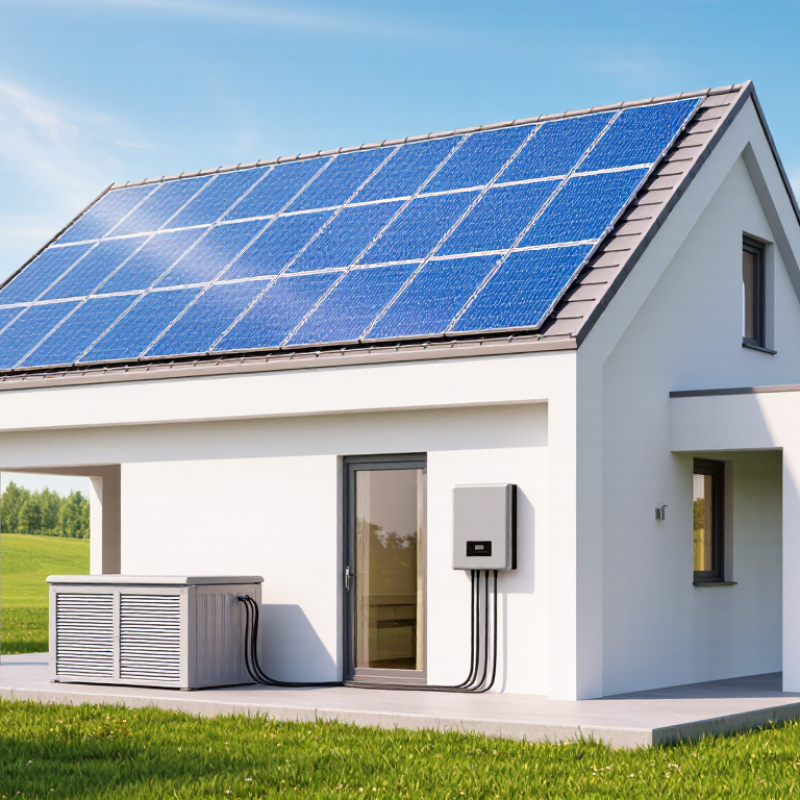
What a Home Solar Power System Is
A home solar power system is a private electricity setup that uses sunlight to produce power for a house. Solar panels capture light and convert it into direct current electricity. An inverter then changes that electricity into alternating current for household appliances. The system may include mounting rails, monitoring equipment, protective switches, and a battery.
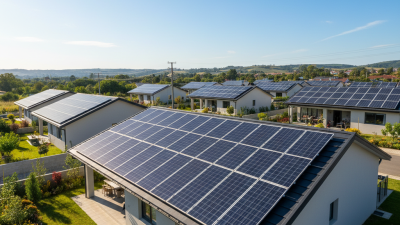
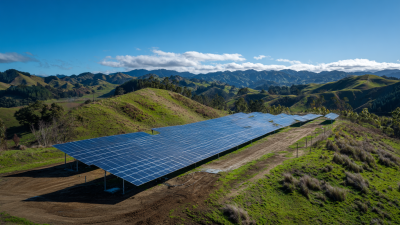
Not every system uses batteries. Without one, extra electricity may flow to the public grid, depending on local rules and the approved connection. With a battery, the home can store some daytime energy for evening use or short outages. The panels usually sit on a roof, but a ground structure can work when the roof is shaded or unsuitable. Orientation, roof angle, local weather, and seasonal sunlight all affect production.
The simple picture is incomplete. A sunny day does not guarantee high output if dust, snow, shade, or damaged wiring limits the system. A proper site assessment checks roof condition, structural strength, electrical capacity, and future energy needs. It should also review permits and grid requirements before installation. In practical homes, production often rises around midday, while demand increases after work. That mismatch makes battery sizing important, but larger is not always better. Oversized equipment can cost more than the household can reasonably recover. Regular monitoring can reveal unusual drops in output, although readings may still need professional testing.
How Solar Panels Generate Electricity
A home solar power system converts sunlight into usable household electricity. Solar panels contain photovoltaic cells that absorb photons from sunlight. This energy excites electrons, creating direct current, or DC electricity. The process begins silently on the roof, even before the panels become warm.
An inverter changes DC electricity into alternating current, or AC, which powers lights, refrigerators, and other home appliances. A meter measures electricity moving between the home and the grid. Extra power may charge a battery or flow outward to the grid, depending on the system design. Cloud cover, roof direction, shade, dust, and seasonal sunlight all affect production. Solar generation is not perfectly predictable. It is tempting to estimate output from panel size alone, but that assumption needs checking.
Tips: Keep panels clear of heavy dust and leaves. Ask a qualified installer to assess roof strength, wiring, shading, and local electrical requirements. Review the system’s monitoring data each month. A sudden drop in daily production may indicate dirt, shading, or equipment trouble. Do not inspect live wiring yourself. Battery systems also require suitable ventilation, temperature control, and certified installation. Small details matter.
How Solar Power Is Converted and Distributed at Home
A home solar power system turns sunlight into usable electricity through several carefully connected stages. Solar panels absorb photons and produce direct current (DC). This electricity travels through protected cables to an inverter, which changes DC into alternating current (AC). Most household appliances use AC power, including refrigerators, lights, and washing machines.
The converted electricity enters the home’s electrical panel. From there, it moves through separate circuits to power appliances in real time. On a bright afternoon, solar energy may run a washing machine while also charging a battery. When production exceeds household demand, extra electricity can flow into the battery or the public grid, depending on the system design and local utility rules. A bidirectional meter records energy moving in both directions.
At night or during heavy cloud cover, the home draws stored power or electricity from the grid. The system does not always produce the amount shown in its original estimate. Shade, dust, high temperatures, and seasonal sunlight can reduce output. That is easy to overlook. A monitoring device can reveal these changes by showing panel production and household consumption throughout the day. In practical installations, correct cable sizing, grounding, ventilation, and circuit protection matter as much as panel capacity. A qualified electrician should verify these details, because a neat-looking system can still perform poorly if its electrical connections are not properly designed.
What Is a Home Solar Power System and How Does It Work?
Solar power is converted from direct current (DC) into household alternating current (AC), then used by appliances, stored in a battery, or sent to the utility grid.
This illustrative clear-day profile represents a typical 5 kW residential solar array. Solar production rises after sunrise, peaks around midday, and falls toward sunset. When solar generation is higher than household demand, the surplus can charge a battery or be exported to the grid. When demand exceeds solar output, electricity can come from stored energy or the grid.
How Batteries, the Grid, and Backup Power Work
A home solar power system turns sunlight into electricity for household use. Solar panels produce direct current, while an inverter changes it into usable alternating current. During daylight, appliances use solar power as it is generated. Extra electricity can charge a home battery or flow to the utility grid, depending on local rules and system settings.
The battery is not simply a large fuel tank. It stores electricity through chemical reactions and releases it when solar production falls. At night, it can power selected circuits, such as lights, refrigeration, internet equipment, and a medical device. During a grid outage, a properly designed system disconnects from the grid. This prevents electricity from flowing into repair lines. Without that safety step, backup power could endanger utility workers. An automatic transfer system and a critical-loads panel usually manage this change.
Battery capacity affects backup time, but power output matters too. A battery may hold enough energy for ten hours of light use, yet struggle with a pump or electric heater. In practical installations, I would check each appliance’s starting demand, not only its wattage label. Weather also matters. Several cloudy days can reduce charging, especially in winter. It is easy to overestimate battery independence. A smaller system may be more affordable, but it can require careful appliance choices during an outage. Qualified installers should assess wiring, ventilation, local electrical requirements, and emergency shutdown access before installation.