

What is the Best Solar Panels For Home Advantages and Costs?

Choosing the right solar panels for home use is crucial for maximizing energy efficiency and reducing costs. The solar industry has seen unprecedented growth, with an estimated global market value of $223 billion by 2026, according to a report by Fortune Business Insights. Homeowners are increasingly looking to harness clean energy, driven by both environmental concerns and rising electricity prices. Installing solar panels reduces dependence on the grid and lowers monthly utility bills.

However, not all solar panels are created equal. Factors such as panel efficiency, installation costs, and durability play a significant role in decision-making. The U.S. Department of Energy states that the average cost of residential solar installation has dropped by about 70% since 2010, making it more accessible for homeowners. Yet, some still hesitate, facing challenges like the upfront investment or lack of knowledge about available options.

Understanding the advantages and costs associated with solar panels for home use is essential. While the long-term savings can be substantial, some homeowners feel uncertain about the initial investment. This complexity underscores the importance of researching reputable brands and models. A well-informed choice not only enhances energy savings but also contributes to a sustainable future.
What is the Best Solar Panels For Home Advantages and Costs?

Understanding Solar Panels: Types and Technologies
What is the Best Solar Panels For Home Advantages and Costs?

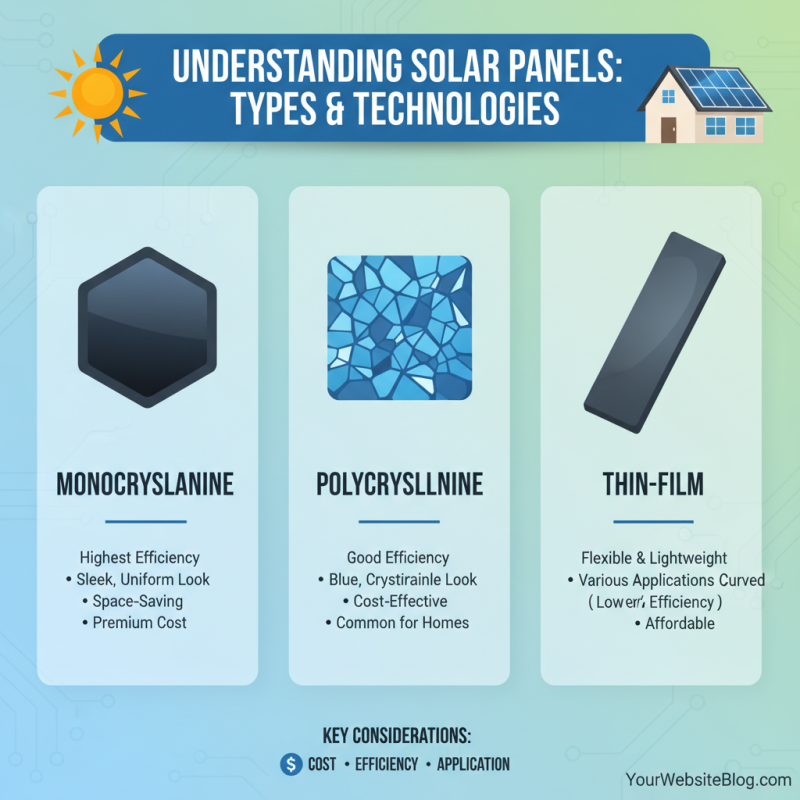
Solar panels have become increasingly popular among homeowners. Understanding the different types and technologies is essential. There are several main types of solar panels available: monocrystalline, polycrystalline, and thin-film. Each type has unique features that cater to various needs.

Monocrystalline panels are efficient and space-saving. They work well in smaller areas where roof space is limited. Polycrystalline panels are more affordable, but they require more space for the same energy output. Thin-film panels are lightweight and flexible, suitable for diverse installations. However, they tend to be less efficient than the other two types.

Evaluating the right solar panel involves not just costs but also efficiency and lifespan. Installation complexity varies, which can lead to added expenses. Some homeowners find it challenging to choose the best option based on their specific situation. Researching local climate and energy needs is crucial. It allows homeowners to select the ideal solution for their unique circumstances. Navigating these choices often requires time and careful consideration.
Advantages of Solar Panels for Homeowners

Solar panels provide numerous advantages for homeowners. One of the most significant benefits is reducing electricity bills. According to the U.S. Department of Energy, homeowners can save 50% or more on their energy costs. Beyond savings, solar panels can significantly increase a home's value. A study by Zillow shows that homes with solar systems sell for about 4.1% more on average.

Environmental benefits are also substantial. By harnessing solar energy, homeowners reduce their carbon footprint. The U.S. Environmental Protection Agency estimates that every 5 kWh of solar energy can prevent about 1 kg of CO2 emissions. This contributes to cleaner air and a healthier environment.

Tip: To maximize your solar investment, consider local incentives. Many states offer tax credits or rebates which can significantly lower installation costs. It's important to research and use these opportunities effectively.

Homeowners should also consider maintenance. Solar systems typically require minimal upkeep, yet regular inspections can prevent issues. Monitoring energy output can alert homeowners to potential problems early. Balancing benefits with initial costs and maintenance is essential for an informed decision.

Cost Analysis: Initial Investment and Long-term Savings

When considering solar panels for home use, the initial investment can be daunting. Homeowners often face costs that can range significantly. The price usually includes the panels, inverter, and installation. The average installation cost can exceed several thousand dollars. This figure might seem high upfront, but it’s essential to think long-term.

Long-term savings can be substantial. Once installed, solar panels generate electricity, reducing monthly bills. Many homes can see savings within a few years. Over two decades, these savings can far outweigh the initial costs. However, homeowners should reflect on factors like energy consumption and location. Not all homes will have the same return on investment.

In addition, consider maintenance costs. Although solar panels are generally low maintenance, occasional cleaning and inspection are necessary. Some homeowners may underestimate these costs. Understanding these variables helps in making an informed decision. Each home’s energy needs and local incentives can affect overall savings. Thoughtful planning can lead to effective energy management.

What is the Best Solar Panels For Home Advantages and Costs? - Cost Analysis: Initial Investment and Long-term Savings

Solar Panel Type Initial Investment ($/kW) Typical Efficiency (%) Lifespan (Years) Annual Savings ($) Payback Period (Years)
Monocrystalline 2,500 20-22 25 1,200 2.1
Polycrystalline 2,000 15-17 25 1,000 2.0
Thin-Film 1,500 10-12 20 600 2.5
Bifacial 2,800 22-24 30 1,500 1.9

Factors Influencing Solar Panel Performance and Efficiency

What is the Best Solar Panels For Home Advantages and Costs?

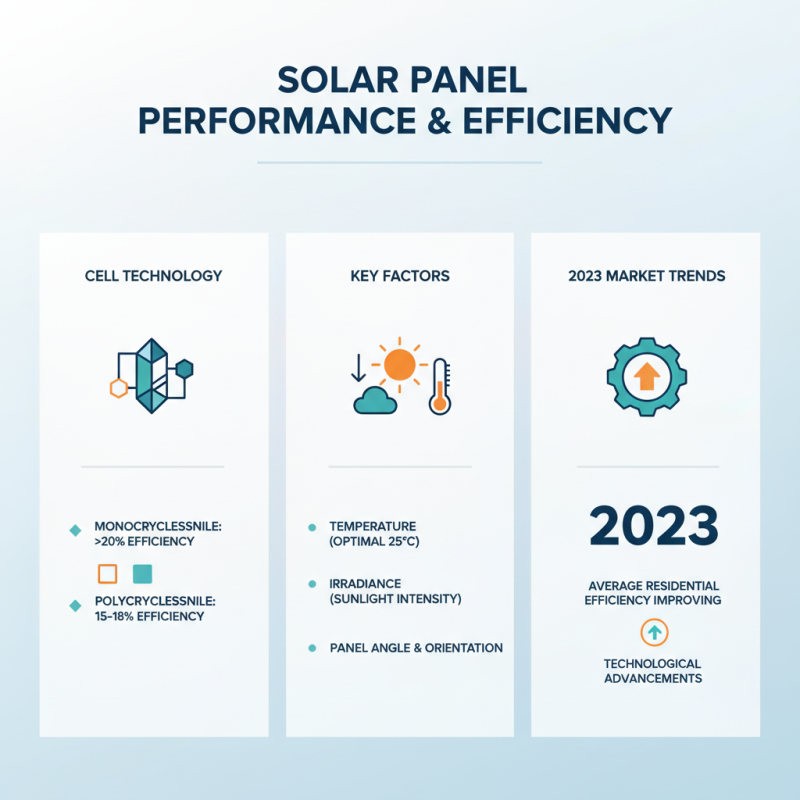
Solar panel performance and efficiency depend on several critical factors. The type of solar cell technology used plays a significant role. For example, monocrystalline panels typically offer higher efficiency ratings, often exceeding 20%. In contrast, polycrystalline panels usually range between 15% and 18%. Market trends indicate that by 2023, the average efficiency of residential solar panels is improving, reflecting advancements in technology.

The angle and orientation of solar panels also influence energy output. Installing panels at an optimal tilt can increase performance significantly. Various studies suggest that panels facing south yield up to 30% more energy than those oriented in less optimal directions. Environmental factors further complicate these dynamics. Shade from trees or nearby buildings can reduce efficiency by 50%, highlighting the importance of site assessment.

Temperature is another critical factor affecting solar panel operation. Higher temperatures can decrease the efficiency of photovoltaic cells, leading to lower energy production. Research shows that for every degree Celsius increase, a panel's efficiency may drop by 0.2%. This issue prompts homeowners to consider ventilation and cooling solutions for heat management, which can add to overall installation costs. Understanding these elements is vital to maximizing the benefits of solar energy.

Government Incentives and Financing Options for Solar Energy

Government incentives are key for homeowners considering solar energy. Many states offer tax credits, rebates, and grants to reduce costs. These financial incentives make solar panels more accessible. Additionally, federal programs can help offset installation expenses. It’s essential to research local and federal options to maximize savings.

Tips: Check eligibility criteria carefully. Some programs require specific conditions to qualify. Don’t overlook small local initiatives that may offer additional support.

Financing options also play a crucial role. Low-interest loans or solar leases can help spread out costs. Installing panels can initially seem expensive. However, many homeowners see significant savings on energy bills over time. Carefully evaluate your financial situation and energy needs.

Tips: Consider getting multiple quotes before committing. Each company's financing options may differ significantly. Be aware of long-term commitments in contracts. Understanding all terms helps avoid surprises later on.