
10 Tips for Choosing a Commercial Solar Panel?

Choosing a Commercial Solar Panel is a practical investment, not a simple equipment purchase. Roof size, energy demand, climate, and budget all influence the right decision. A panel that performs well in a sunny warehouse may deliver weaker results on a shaded retail building. Real conditions matter.

This guide presents ten practical tips for evaluating commercial solar panels with greater confidence. It considers efficiency ratings, temperature performance, durability, warranty terms, certifications, and long-term maintenance needs. You will also see why installer experience matters. A reputable contractor should explain production estimates, roof loading, wiring routes, monitoring systems, and expected payback without hiding assumptions. Ask for documented performance data. Check the warranty language carefully.

Small details can change the outcome. Dust may collect around rooftop vents. Birds can affect maintenance needs. High temperatures may reduce output during peak demand. These issues deserve attention before signing a contract. Site inspections and realistic energy models are more useful than impressive sales claims.

No panel is perfect. A higher efficiency rating may bring a higher purchase price, while a lower-cost option may require more roof space. That trade-off needs careful review. Even experienced buyers can overlook future repairs or inverter replacement costs. Therefore, compare complete system value, not only the panel’s advertised wattage. The following tips offer a clearer framework for making a responsible, evidence-based choice.

10 Tips for Choosing a Commercial Solar Panel?

Understanding Commercial Solar Panel Types and Their Applications

Commercial solar panels are not one uniform product. Monocrystalline modules suit sites needing high output from limited roof area. Their dark surfaces are common on offices, warehouses, and retail buildings. Polycrystalline modules may cost less, but they usually require more space for similar capacity. Thin-film panels can perform well on lightweight roofs or irregular surfaces. They often have lower efficiency, so the application matters more than appearance.

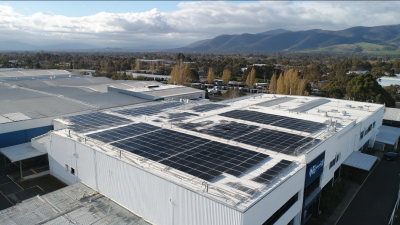
The roof is the real starting point. Check structural capacity, shading, drainage, fire access, and remaining roof life before comparing quotations. A 500-kilowatt system is not automatically suitable for every factory. Electricity demand, operating hours, and export limits should guide the design. IRENA’s Renewable Capacity Statistics 2024 reports 1,419 gigawatts of global solar capacity at the end of 2023. That scale shows market maturity, not guaranteed performance on every building.

Performance also depends on temperature, dust, ventilation, and maintenance access. High-efficiency modules may reduce installation area, while bifacial modules can help on reflective roofs or ground-mounted commercial sites. However, their gains can be overstated when the surface below is dark. Be careful with optimistic estimates. The IEA Photovoltaic Power Systems Programme’s Trends 2024 report highlights continued rapid photovoltaic deployment, but local conditions still control financial results. Review degradation rates, product warranties, inverter compatibility, monitoring quality, and installer records. A technically impressive proposal can still fail if workers cannot safely reach the equipment. Some roofs simply need repair first.

Assessing Energy Needs, Site Conditions, and Available Installation Space

10 Tips for Choosing a Commercial Solar Panel?

Assessing Energy Needs, Site Conditions, and Available Installation Space

Begin with twelve months of electricity bills, not a guess from one busy month. Record peak demand, operating hours, seasonal changes, and planned equipment. A refrigerated warehouse may use power overnight, while an office peaks during daylight. I once reviewed a preliminary estimate that ignored weekend production. The projected savings looked impressive, but the load profile proved otherwise.

Ask a qualified solar professional to inspect the site in person. Measure roof orientation, tilt, shading, drainage, and structural capacity. Nearby trees can cast long shadows during winter mornings. Rooftop equipment may also create narrow, unusable areas. A drone image helps, but it cannot confirm roof condition or electrical limitations. A structural engineer may need to check older buildings. Small details matter.

Space is often overestimated. Keep clear paths for maintenance, emergency access, and required safety setbacks. Measure parapets, vents, skylights, and service zones before comparing panel layouts. Ground-mounted systems need open land, stable soil, drainage, and protection from vehicles. Leave room for future expansion if the business may add machinery or cooling systems. A crowded design can produce more installation problems than energy. Recheck every measurement. Plans change.

Comparing Panel Efficiency, Durability, Warranty, and Performance

10 Tips for Choosing a Commercial Solar Panel

Tip 1: Compare efficiency under real conditions, not only laboratory ratings. A higher percentage can produce more energy from limited roof space. However, temperature coefficients matter during hot summer afternoons. Check low-light performance, too. A panel that performs well on cloudy mornings may deliver steadier annual output. I once focused too heavily on peak efficiency. That was a mistake.

Tip 2: Examine durability through materials, testing, and installation conditions. Look for resistance to wind, hail, humidity, salt air, and repeated temperature changes. Commercial roofs often experience stronger exposure than residential sites. Review independent test reports and certification documents. Frame strength and connector quality also deserve attention. Small details matter. Still, no panel is perfect in every environment.

Tip 3: Read the warranty language carefully. Separate the product warranty from the performance warranty. Check coverage length, permitted installation methods, degradation limits, and claim procedures. A long warranty means little if exclusions are difficult to meet. Confirm who handles service and whether labor is included. Ask for written answers, not verbal promises.

Tip 4: Evaluate performance across the complete system. Inverters, mounting equipment, wiring, shading, and roof orientation affect actual production. Request modeled annual output using local weather data. Compare expected first-year yield and long-term degradation. Independent measurements can reveal gaps between estimates and reality. Even experienced buyers should question unusually optimistic projections.

10 Tips for Choosing a Commercial Solar Panel

Comparing efficiency, durability, warranty, and temperature performance across common commercial panel technologies.

TOPCon and HJT modules typically provide higher efficiency and lower temperature-related losses, while thin-film modules can offer strong performance in hot conditions. Warranty periods and degradation rates vary by product, so commercial buyers should verify the manufacturer’s datasheet, installation conditions, and warranty terms before making a final decision. Values shown are representative commercial benchmarks and may vary by model.

Evaluating System Costs, Incentives, Financing, and Long-Term Value

10 Tips for Choosing a Commercial Solar Panel

Evaluating System Costs, Incentives, Financing, and Long-Term Value

A commercial solar decision starts with the building, not the sales brochure. Check roof age, shading, structural capacity, and available electrical space.

Check the roof first. Request at least three detailed proposals with equipment capacity, installation labor, monitoring, maintenance, and expected annual production listed separately. A low price may hide weaker warranties or costly electrical upgrades. Ask for assumptions. Review twelve months of utility bills, including demand charges, seasonal rates, and penalties. Energy savings depend on how the system matches your operating hours.

Incentives can change the project economics, but eligibility rules vary by location and business structure. Confirm current tax credits, local rebates, depreciation treatment, and interconnection requirements with qualified financial and energy professionals. Do not rely on an outdated calculator.

Financing deserves equal attention. Compare cash purchase, commercial loans, leases, and power purchase agreements using total payments, escalation clauses, ownership rights, and removal terms. A lower monthly payment may create a higher lifetime cost. Read every page.

Long-term value includes degradation, insurance, cleaning access, inverter replacement, and monitoring support. Ask who handles repairs after installation and how quickly faults are reported.

Watch the demand charges. They can reduce savings even when panels produce plenty of electricity.

Forecast savings under conservative, moderate, and optimistic production cases. No spreadsheet is perfect. I would question any proposal promising identical savings every year.

A slightly smaller system may perform better if it avoids roof reinforcement or exports excess power. Review the contract with an independent adviser before signing.

Selecting Qualified Installers and Planning Maintenance Requirements

10 Tips for Choosing a Commercial Solar Panel: Selecting Qualified Installers and Planning Maintenance Requirements

Tip 1 Request documented commercial experience, electrical licenses, insurance, and recent project references.

Tip 2 Ask for a site-specific design, not a standard proposal. It should show roof loading, shading, drainage, cable routes, and emergency access.

Tip 3 Require production estimates using local weather data. The International Renewable Energy Agency reported that utility-scale solar costs fell about 90% between 2010 and 2023. Lower prices help, but poor design still creates expensive losses.

Tip 4 Confirm who performs commissioning and testing. Inspectors should verify insulation resistance, grounding, torque settings, inverter configuration, and monitoring alarms.

Tip 5 Request a maintenance schedule before signing. It should include visual inspections, thermal scanning, vegetation control, cleaning criteria, and inverter checks. The National Renewable Energy Laboratory’s 2024 Annual Technology Baseline lists fixed utility-scale PV operations and maintenance costs near 19 dollars per kilowatt-year. Commercial costs vary widely, especially on difficult roofs.

Tip 6 Define response times for faults and damaged equipment.

Tip 7 Keep spare fuses, connectors, and monitoring hardware available.

Tip 8 Ask how performance reports will be measured against expected output.

Tip 9 Check whether technicians receive current safety training.

Tip 10 Review warranty exclusions carefully. Dust is not always covered. Neither is water intrusion caused by poor flashing. I would also budget for unexpected repairs. Forecasts look clean on paper, but real roofs rarely cooperate.