Why Does Solar Installation Cost So Much?
Solar Installation Cost can seem surprisingly high when a rooftop system is reduced to a row of panels on a proposal. But the panels are only one part of the project. A typical quote may also include an inverter, mounting hardware, electrical upgrades, design work, inspections, and installation labor. Roof repairs can add more. So can a long cable run or a service panel that needs updating. Small details matter.
Costs also vary by location, system size, equipment, and roof condition. Local labor rates and utility connection requirements can change the final price, too. That makes online averages useful only as rough reference points, not promises. Ask installers for itemized quotes, equipment specifications, warranty terms, and an explanation of estimated energy production. Compare the same system assumptions where possible. Look closely.
It is easy to blame the panels, though that explanation is incomplete. Labor, safety equipment, permitting, and project design all take time and skill. A low quote may leave out work that appears later; a high one is not automatically better. The details deserve a second look. Even careful estimates can miss a complication hidden beneath old shingles or inside an aging electrical panel. Understanding these cost drivers helps homeowners ask sharper questions and judge whether a proposal fits their property, budget, and energy goals.
Solar Installation Costs: The Main Price Components
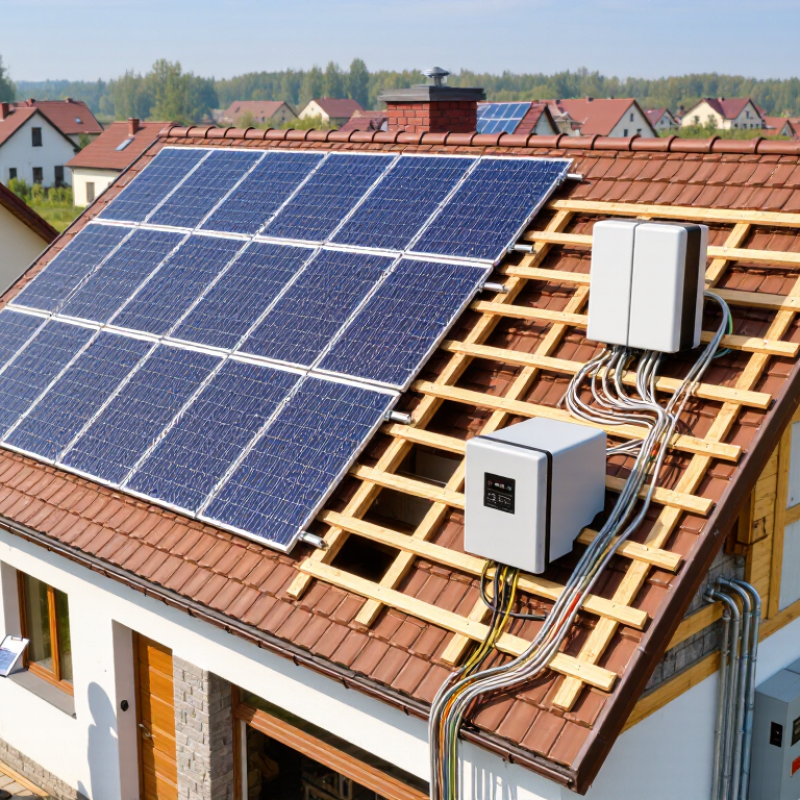
The panels are only one part of a solar installation quote. The system also needs an inverter, mounting hardware, wiring, and safety equipment. The inverter converts panel output into electricity your home can use. Its type and capacity affect the price. So does the roof: steep slopes, fragile materials, or limited access can require extra labor and equipment. Small details matter.
Labor covers more than attaching panels. Installers assess the roof, plan the layout, connect electrical equipment, and test the finished system. Permits, engineering documents, inspections, and utility coordination may appear as separate charges or be included in a broader line item. Ask what each charge covers. A vague estimate is hard to compare, even when the total looks attractive.
Your home may need electrical upgrades, such as a larger service panel, before the system can be connected. Roof repairs can also add cost, so it is worth checking roof condition before work begins. Batteries are usually an optional, substantial expense; they store energy but are not necessary for every household. I would not judge a quote by panel count alone. Compare equipment, labor, exclusions, and warranty terms, while remembering that local conditions can shift the final price. Estimates are not exact, and sometimes the smallest line item hides an important assumption.
How Solar Panels and Inverters Affect the Total Cost
Solar installation costs are shaped by more than the number of panels on a roof. Panels differ in power output, efficiency, and physical size, which affects how many can fit in a given space. Higher-efficiency models may help when roof area is limited, but they often cost more. On a large, unobstructed roof, a less expensive panel may meet the household’s needs just as well. Shade matters, too. A chimney can reduce the output of nearby panels, so a site assessment helps determine whether the proposed layout makes sense.
Inverters add another important cost. They convert the panels’ direct-current electricity into alternating current for household use. A central string inverter typically serves several panels, while microinverters are installed at individual panels and can help manage uneven shading. That added flexibility may come with a higher upfront price and more components to maintain. Not always a clear trade-off. Compare the equipment warranty, expected replacement timing, and labor included in each quote. It is easy to focus on panel price alone, but installation design and electrical compatibility can change the final bill. Ask how the inverter choice fits your roof, not just why it appears on the estimate.
Why Does Solar Installation Cost So Much? - How Solar Panels and Inverters Affect the Total Cost
Illustrative cost breakdown for a typical 8 kW residential solar installation in the United States. The example uses a $24,000 pre-incentive total ($3.00 per watt). Actual prices vary by location, system design, roof conditions, and installer. Battery storage and financing costs are excluded.
| Cost component | Typical share | Illustrative cost | What affects the cost |
|---|---|---|---|
| Solar panels | About 25–35% | $7,200 (30%) | Panel efficiency, system capacity, product type, and the number of panels required for the available roof area. |
| Inverter equipment | About 8–15% | $2,400 (10%) | Inverter type and capacity, system layout, monitoring features, and whether the design uses one central inverter or multiple module-level units. |
| Mounting, wiring, and electrical components | About 8–15% | $2,400 (10%) | Roof material and pitch, mounting requirements, cable runs, safety equipment, and electrical upgrades needed for the system. |
| Installation labor | About 15–25% | $5,280 (22%) | Roof access, installation complexity, local labor rates, crew size, and the time required to complete electrical and structural work. |
| Permits and utility interconnection | About 3–8% | $1,200 (5%) | Local permit fees, inspection requirements, utility application processes, and any required grid connection work. |
| System design and project management | About 5–10% | $1,920 (8%) | Site assessment, engineering, system drawings, permit coordination, scheduling, and project administration. |
| Business overhead and other project costs | About 10–20% | $3,600 (15%) | Insurance, vehicles, customer support, warranties, estimating, and other operating costs. The amount varies by installer and market. |
| Total installed system | 100% | $24,000 | Illustrative gross cost before incentives; equivalent to $3.00 per watt for an 8 kW system. |
Labor, Roof Preparation, and Installation Complexity
Solar installation costs more than the panels because a safe system depends on careful site work. Crews assess roof condition, measure usable space, and plan wiring before mounting anything. Skilled labor includes lifting panels, securing rails, sealing roof penetrations, and connecting electrical components. A steep roof or limited access can require extra setup and more working hours. Time matters.
Roof preparation can add cost when shingles are worn, decking feels soft, or flashing needs repair. Installing panels on a roof near the end of its service life may mean costly removal and reinstallation later. Roof shape matters, too. Dormers, skylights, multiple roof faces, and tight clearances make layout and mounting slower. Older electrical panels may also need an upgrade. Details vary by home, so a quick online estimate can miss them. It is easy to overlook.
Tips: Ask for a written breakdown of labor, roof work, and electrical upgrades. Request an on-site inspection before relying on a final price. Take photos of roof damage and ask how repairs affect the schedule and coverage. A second assessment can help, but compare quotes only when their scope matches.
Why Does Solar Installation Cost So Much?
Labor, roof preparation, and installation complexity can all add to the cost of a residential solar project.
Illustrative planning allowances for a 7-kW U.S. rooftop system: $2,100 for installation labor, $2,800 for roof preparation, and $1,750 for added complexity such as difficult roof access or multiple roof planes. These are estimates, not a fixed-price quote; costs vary by location and project. The categories are separate examples and should not automatically be added together.
Permits, Inspections, and Grid Connection Fees
Permits, inspections, and grid connection fees can make a solar quote feel unexpectedly high. A city or county may charge separately for plan review, building permits, and electrical inspections. The utility may also require an application, a meter change, or an engineering review before connecting the system. One extra inspection can mean another crew visit. The costs vary by location, and the paperwork varies too.
NREL’s U.S. Solar Photovoltaic System and Energy Storage Cost Benchmark: Q1 2023 modeled permitting, inspection, and interconnection at about $0.10 per watt for residential solar. For an 8-kilowatt system, that is roughly $800 in the benchmark—not a guaranteed local bill. I would not treat a national average as a promise. Some projects face added utility work, while others move through review with little friction. It is also easy to overlook the time cost: approvals can delay installation even when fees look modest.
Tips: Ask for an itemized quote showing permit, inspection, and utility charges separately. Check whether it includes possible meter or service upgrades. Ask who pays if the utility requests extra work. A small detail, but worth checking.
How System Size, Location, and Incentives Change the Price
Solar installation costs rise with system size, but the price does not increase in a perfectly straight line. A larger system needs more panels, mounting hardware, and electrical work. Some fixed costs, such as design and permitting, may be spread across more panels. Still, a household using more electricity may need a larger inverter or battery, which can change the quote. A recent utility bill offers a practical starting point for estimating demand.
Location affects both sunlight and labor costs. A shaded roof, steep pitch, or chimney can limit panel placement and add installation time. Older electrical panels may also need upgrades. It adds up. Local permit requirements and utility connection procedures can influence costs and schedules, too. Incentives may lower the final expense, but their value depends on where you live, when you install, and whether you qualify. Treat advertised savings as estimates until you verify them through current government or utility guidance. One detail people sometimes miss: the lowest upfront quote may not cover the same equipment, roof work, or monitoring as another. Comparing itemized proposals is useful, though even that can feel confusing.
Related Posts
-
Top 10 Solar Installation Cost Questions for Buyers?
-
How to Choose Solar Panels for Business Success?
-
Why Is Solar Panel Installation Worth It?
-

Global Reach: Elevating Solar Energy Standards with China's Best Solar Power Solutions
-
China Top Solar Electricity Solutions for Global Buyers?
-
How to Choose Reliable Solar Panel Suppliers?