

Why Is Solar Panel Installation Worth It?
Solar panels can turn an unused roof into a source of household electricity. Yet installation is not automatically worthwhile for every home. Roof direction, afternoon shade, local electricity prices, and system costs all shape the result. A roof with a chimney shadow can produce less than a sunlit roof nearby.
Elon Musk, whose companies have worked in solar energy and storage, has described the sun as “a giant fusion reactor in the sky.” The image is striking, but a practical decision needs more than optimism. Solar Panels Installation should begin with a review of recent utility bills, roof condition, and realistic production estimates. Ask installers to explain their assumptions, including expected output and equipment warranties. Compare written proposals, not just headline prices.
The benefits can be tangible: lower grid purchases, more predictable energy costs, and less exposure to future rate increases. Not guaranteed. Savings depend on system design, utility rules, financing, and how much power a household uses while panels are producing. Batteries may help during outages, but they add cost and are not essential for every home. A careful assessment may even show that waiting for roof repairs makes better sense. Solar is a long-term investment, and honest advice should include that possibility.
How Solar Panel Installation Works
Why Is Solar Panel Installation Worth It?
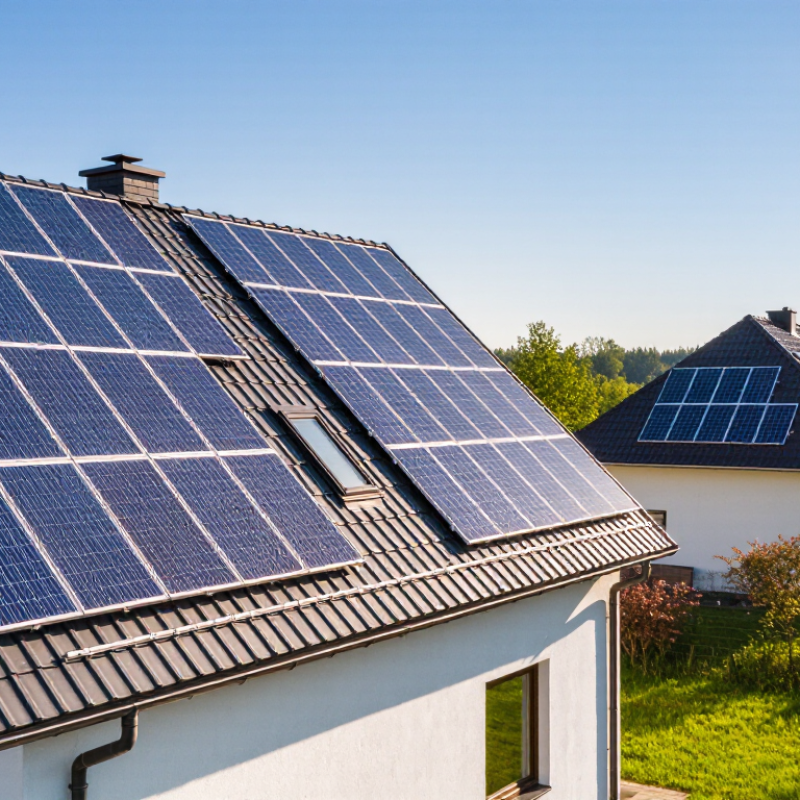
Solar panel installation begins with a site assessment. A qualified installer checks your roof’s age, angle, shade, and structural condition. They may review your electricity bills to estimate system size. A south-facing roof can help in many locations, but local sunlight and roof layout matter too. The design also accounts for wiring, an inverter, and any battery storage you choose. Early estimates can miss small details, such as shade from a tree that grows over time.
After you approve the design, the installer arranges required approvals and schedules the work. The crew attaches mounting rails to suitable roof areas, then secures the panels and connects the electrical equipment. An electrician checks the wiring and safety components. The system typically needs inspection and utility approval before it can send power to the grid. The exact sequence varies by location and system type. It can feel slower than expected.
Tips: Ask for a written scope covering roof repairs, equipment, inspections, and expected timelines. Clear nearby branches only when safe. Keep copies of plans and inspection records; you may need to revisit assumptions later.
Why Is Solar Panel Installation Worth It? - How Solar Panel Installation Works
| Stage or consideration | What happens | Typical timing or fact | Why it matters |
|---|---|---|---|
| 1. Home and energy assessment | An installer reviews electricity use, roof condition, roof orientation, shading, and available installation space. | Timing depends on the project and the information available. | A well-matched system is designed around the home’s energy needs and the sunlight the site can receive. |
| 2. System design | The system layout and equipment are selected. Solar photovoltaic (PV) modules generate direct-current (DC) electricity; an inverter converts it to alternating-current (AC) electricity used by most household circuits. | Expected production varies with location, system size, roof direction, shading, and weather. | Production estimates help homeowners compare expected solar generation with electricity use. |
| 3. Permits and utility approval | Plans are submitted for required permits and, for a grid-connected system, the utility’s approval to connect. | Reviews may take days to several weeks or longer, depending on local authorities and the utility. | Approvals help ensure the installation meets applicable requirements and can operate as intended on the grid. |
| 4. Panel and equipment installation | Crews mount the racking and modules, install electrical equipment, and connect the system according to the approved design. | For many standard residential projects, on-site installation takes about 1–3 days; complex roofs or systems can take longer. | Once installed, the system can generate electricity when sunlight is available, subject to inspection and authorization to operate. |
| 5. Inspection and permission to operate | The completed work is inspected, and the utility completes any required connection steps before the system is switched on. | Timing varies by inspection schedules and utility procedures. | Following the required approval process helps confirm the system is safe and authorized for grid operation. |
| 6. Electricity bill impact | Solar generation can reduce the amount of electricity purchased from the utility. Excess electricity may be sent to the grid under the local utility’s rules. | Savings depend on system production, household usage, electricity rates, export credits, and any financing or incentives. | Comparing expected bill savings with total system costs is the practical way to assess financial value. |
| 7. Outages and battery storage | A standard grid-tied solar system usually shuts down during a grid outage for safety. Backup power generally requires a battery and compatible equipment. | Backup duration depends on battery capacity, system configuration, and the household’s electricity use. | Homeowners can choose whether outage backup is a priority and include suitable storage in the system design. |
| 8. Ongoing operation | System output can be monitored, while maintenance needs depend on equipment, site conditions, and the installer’s guidance. | PV panels produce less electricity when shaded or covered by dirt, snow, or other debris. | Monitoring helps identify unexpected production changes; keeping the array reasonably clear supports its performance. |
Note: Installation timelines, energy production, savings, export compensation, and available incentives vary by location and project. Request site-specific estimates and check local rules before making a decision.
Related Posts
-
Ultimate Guide to Choosing the Best Solar Panels for Your Home: A Global Procurement Perspective
-
Unlocking the Benefits of Solar Panels for Sustainable Home Energy Solutions
-
10 Best Solar Panel Systems for Your Home: Benefits and Buying Guide
-
How to Harness Solar Energy Solutions for a Sustainable Future
-
China Top Solar Electricity Solutions for Global Buyers?
-
How to Estimate Solar Installation Cost for Your Home?