Why Are Home Solar Systems a Smart Global Investment?

Home Solar Systems are moving from niche technology to a practical global investment. Falling panel prices, improved efficiency, and rising electricity costs support this shift. Yet the opportunity is not identical everywhere. Sunlight, roof design, local tariffs, financing, and grid reliability can change the financial result.

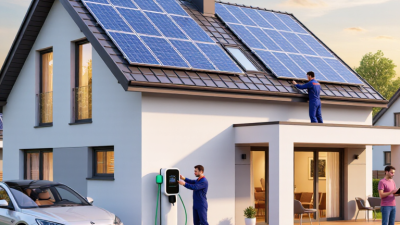
Fatih Birol, Executive Director of the International Energy Agency, described solar power as “the new king of electricity markets.” His statement reflects a measurable trend, not simple optimism. A typical household may watch rooftop panels produce electricity across a bright afternoon, while a smart inverter tracks each kilowatt-hour. Batteries can store unused power for evening cooking, cooling, or lighting. The details matter.

Home Solar Systems can reduce long-term energy expenses and strengthen household resilience. They may also protect families from unpredictable utility price increases. However, installation is not automatically profitable. Shaded roofs, weak warranties, poor maintenance, and expensive batteries can weaken returns. Some regions also change export payments or connection rules. That uncertainty deserves attention.

A reliable investment review should compare several years of electricity bills, equipment degradation, insurance, financing costs, and expected maintenance. Homeowners should request clear production estimates from qualified installers. They should verify certifications, warranty coverage, and local experience. Do not trust only the biggest savings forecast.

The case is strong, but not flawless. A system may look attractive on paper and disappoint in practice. That possibility encourages better research. When technical evidence, household needs, and local conditions align, Home Solar Systems can become more than a green purchase. They can provide durable energy value, with realistic expectations at the center.
Why Are Home Solar Systems a Smart Global Investment?

Global Solar PV Scale: 1.42 TW Installed by 2023 (IRENA)

The global solar PV fleet reached 1.42 terawatts by 2023, according to IRENA. That figure represents more than impressive scale. It shows that solar power has moved from a niche technology into major energy infrastructure. For homeowners, this wider adoption can support better equipment standards, broader installer experience, and more familiar financing options.

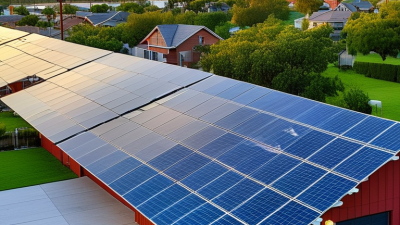
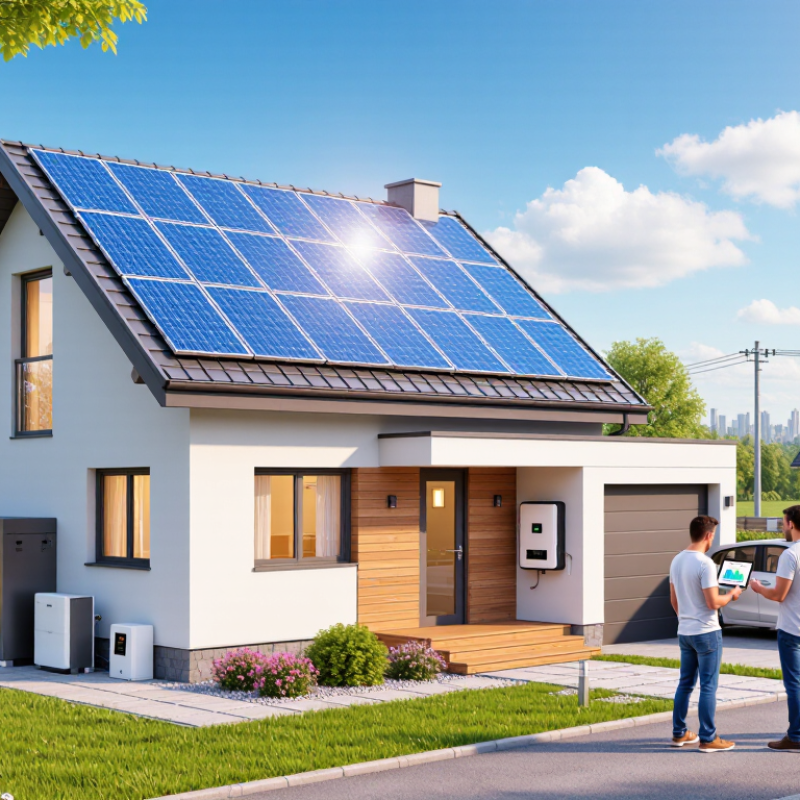
A home solar system turns unused roof space into a small power station. On a clear afternoon, panels may run appliances while sending excess electricity to the grid, depending on local rules. This can reduce exposure to rising electricity prices. Battery storage may also keep essential lights, refrigeration, or internet equipment running during short outages.

The scale matters.

Still, global growth does not guarantee personal savings. Roof direction, shade from nearby trees, local tariffs, maintenance costs, and available sunlight all affect the result. A careful assessment should examine twelve months of electricity use, not one unusually expensive bill. It should also review roof age and structural condition before installation. Not every roof wins. Some systems may need many years to recover their cost, especially where export payments are limited. IRENA’s 1.42 TW milestone is encouraging evidence, but it is not a promise of identical returns for every household. A reliable decision needs recent local data, clear installation terms, realistic production estimates, and room for uncertainty.

Site Potential: Compare Solar Irradiance, Roof Area, and Local Demand

A home solar system becomes a stronger global investment when its site potential is measured carefully. Solar irradiance shows how much sunlight reaches a roof throughout the year. However, annual averages can hide important seasonal changes. A sunny winter roof may still produce less energy during cloudy months.

Roof area matters just as much. A large roof is not automatically suitable if chimneys, vents, or nearby trees create shade. Roof direction, pitch, age, and structural condition also affect the practical installation area. During a residential assessment, I would map shaded sections at different hours, not rely on a single afternoon visit. Details matter.

Local electricity demand completes the picture. A household using more power during daylight may gain greater value from direct solar generation. For example, daytime cooling, water heating, or home working can improve self-consumption. In contrast, a mostly empty home may export more electricity, depending on local grid rules and payment rates.

My first rough estimate was too optimistic because it ignored winter shadows. That changed everything. A reliable evaluation should compare irradiance records, usable roof space, hourly household demand, and expected system losses. Local weather stations and professional site surveys can strengthen the calculation. Still, forecasts remain imperfect. Dust, future construction, unusual storms, and changing energy habits may reduce actual returns. A cautious design often serves investors better than the largest possible installation.

Why Are Home Solar Systems a Smart Global Investment?

Solar investment potential depends on three practical factors: annual solar irradiance, available residential roof area, and local electricity demand. Higher irradiance improves generation, while larger roofs and stronger electricity demand can increase the value of on-site solar.

Indicative country-level comparison using annual global horizontal irradiance (kWh/m²), estimated usable residential roof area (m² per person), and annual electricity consumption per person (kWh). Irradiance references Global Solar Atlas ranges; electricity-use figures are based on recent World Bank/IEA public statistics.

System Economics: PV Costs Fell 90% Since 2010 (IRENA)

Home solar is becoming a serious global investment, not merely an environmental choice. IRENA reports that solar photovoltaic costs fell about 90% since 2010. That change reshapes household economics. Panels now produce more electricity for each dollar invested. The benefit is clearest where sunlight is strong and grid prices are high. Still, cheaper equipment does not guarantee fast savings. Roof direction, shade, financing, and local rules can change the result.

A sound assessment begins with twelve months of electricity bills. It should compare system output, installation costs, maintenance, and expected degradation. A professional may model seasonal production, not just annual totals. A south-facing roof can perform differently from a shaded roof. Battery storage adds resilience, but it also increases the initial bill. In some homes, exporting surplus power earns less than expected. This detail is easy to miss.

Long-term value depends on using more of the power produced. Running a water heater or washing machine during daylight can improve self-consumption. Simple habits matter. Inverters may need replacement before the panels do. Insurance, roof repairs, and financing interest also deserve attention. IRENA’s cost evidence is powerful, yet each household still needs local verification. The honest question is not whether solar is cheap, but whether this system fits this roof, tariff, and budget.

Storage Value: Pair Rooftop Solar With Batteries for Greater Self-Use

Why Are Home Solar Systems a Smart Global Investment?

Storage Value: Pair Rooftop Solar With Batteries for Greater Self-Use

Rooftop solar produces the most electricity around midday, when many homes use less power. A battery stores that surplus for evening cooking, cooling, lighting, and device charging. This changes solar from a daytime resource into a more flexible household supply. In my experience, families often notice the difference after dinner, when grid demand and electricity prices may rise.

Battery sizing requires careful judgment. A large unit is not automatically better. A household should compare daily consumption, roof output, backup priorities, and local electricity rules. Professional installers can review load records and assess ventilation, wiring, fire protection, and placement. Certified equipment and clear maintenance guidance matter more than impressive capacity figures. Monitoring software can reveal unusual consumption, although its readings are not always perfectly accurate.

Batteries also have limits. Their usable capacity declines gradually, especially in hot conditions or with frequent deep cycling. A battery may not power every appliance during an outage. High-demand equipment, such as electric heaters, can empty it quickly. I would leave room for uncertainty and avoid promising complete energy independence. A smaller system with sensible settings may deliver better value than an oversized installation. Still, pairing solar with storage can reduce daytime waste, increase self-use, and provide practical resilience when the grid becomes unreliable.

Investment Risks: Evaluate Tariffs, Incentives, Grid Rules, and Climate Exposure

Home solar can be a smart global investment, but returns depend heavily on local rules. IRENA’s Renewable Capacity Statistics 2024 recorded 345 gigawatts of solar additions in 2023. Global solar capacity exceeded 1.4 terawatts. That scale suggests mature supply chains and broader technical experience. Yet a rooftop array is not a universal bargain. Payback changes with sunlight, electricity prices, financing, and export compensation.

Tariffs can alter the calculation quickly. Import duties, domestic-content rules, and currency movements may raise installed costs. Incentives can expire, cap applications, or require specific ownership structures. The IEA’s Renewables 2023 report identifies distributed solar as a major growth engine. However, policy design strongly affects deployment and household returns. Read the fine print.

Grid rules deserve equal attention. Interconnection queues, smart-inverter requirements, export limits, and demand charges can reduce usable savings. Batteries may help, but they add replacement and safety-planning costs. Climate exposure is less visible. The IPCC warns that heat, flooding, wildfire, and stronger storms can threaten energy infrastructure. NREL research commonly uses about 0.5% annual degradation for crystalline-silicon systems. Actual performance varies. I would not promise a fixed return. A shaded roof, weak grid, or poor insurance can damage a carefully built financial model. Weather matters.

Why Are Home Solar Systems a Smart Global Investment? - Investment Risks: Evaluate Tariffs, Incentives, Grid Rules, and Climate Exposure

Comparative investment-risk snapshot based on publicly available policy and energy data, with reference information from 2022–2024

Market / Region Tariff and Import Exposure Residential Incentive Data Grid Rules and Interconnection Climate Exposure Investor Interpretation Overall Risk
European Union Solar equipment prices can be affected by trade measures, exchange rates, customs procedures, and changes in supply-chain policy. Import conditions differ among member states. Incentives are determined nationally or locally. Several member states provide combinations of rebates, tax treatment, low-interest finance, or support for household self-consumption. Revised European rules seek to accelerate renewable-energy permitting. National requirements still vary for notification, grid studies, export limits, and certification. Strong solar potential in southern Europe; northern locations receive less annual irradiation. Heatwaves, storms, hail, and wildfire risk can affect equipment and insurance costs. Diversify across countries and confirm the permanence of local incentives, export compensation, and permitting timelines before installation. Medium
United States Project economics may be influenced by customs duties, domestic-content rules, trade investigations, and changes in the eligibility of imported equipment. Under the Inflation Reduction Act statutory schedule, the residential Clean Energy Credit was set at 30% for qualified expenditures through 2032, with scheduled reductions afterward unless legislation changes. Interconnection rules are set by states, utilities, and regional grid authorities. Net metering, net billing, standby charges, and export limits vary substantially. Solar production is generally favorable in the Southwest and parts of the South. Hurricanes, wildfire, hail, snow, tornadoes, and extreme heat create location-specific risks. The credit can improve payback, but returns should be stress-tested against export-rate reductions, insurance costs, utility delays, and policy changes. Medium
Australia Residential system costs are exposed to global module prices, currency movements, shipping costs, and national product-compliance requirements. The Small-scale Renewable Energy Scheme provides small-scale technology certificates for eligible systems, subject to capacity, location, installation, and deeming-period rules. Distribution-network operators may impose export limits, technical requirements, or smart-inverter conditions. Electricity retailers use different feed-in tariffs. High solar irradiation supports production. Bushfires, cyclones, hail, flooding, and high temperatures may increase maintenance, replacement, and insurance exposure. Strong generation potential does not guarantee high export value; self-consumption and battery sizing are important to protect returns. Medium
India Equipment economics can be affected by customs duties, approved-equipment requirements, currency volatility, and changes in domestic-manufacturing policy. The PM Surya Ghar programme announced central financial assistance of INR 30,000 per kW for the first 2 kW and INR 18,000 per kW for the next 1 kW, subject to programme rules and eligibility. Rooftop systems require compliance with state distribution-company procedures. Net-metering capacity limits, approval times, and settlement rules vary by state. High irradiation supports output, but monsoon rainfall, dust, heat, cyclones, flooding, and grid reliability differences can affect production and maintenance. Subsidies can materially reduce upfront cost, while state-level implementation and payment timing should be verified before committing capital. Medium
Brazil Imported equipment is exposed to exchange-rate movements, customs treatment, logistics costs, and possible changes in local tax or trade policy. Support is commonly delivered through lower-cost finance, local tax treatment, and electricity-bill savings rather than one uniform nationwide household rebate. Law No. 14,300/2022 established Brazil’s legal framework for distributed generation and introduced a gradual transition in grid-use charges for new systems. Solar irradiation is generally strong. Flooding, severe storms, drought-related dust, high humidity, and heat can affect system performance and asset life. Attractive solar resources support long-term generation, but tariff settlement and distribution-company procedures must be included in cash-flow modelling. Medium
South Africa Imported equipment is exposed to currency weakness, shipping costs, customs procedures, and electricity-supply constraints that may affect installation schedules. The temporary residential solar tax rebate applied to qualifying installations from 1 March 2023 and ended on 29 February 2024 under the published tax schedule. Municipalities and electricity distributors may use different registration, export-compensation, and grid-connection rules. Backup systems may be valued because of supply interruptions. Strong solar resources support output. Heat, drought, dust, storms, and regional water stress can raise cleaning and maintenance requirements. Returns should not depend solely on a tax rebate; savings from reduced grid purchases and resilience benefits may be more durable. High
Global Portfolio View Solar hardware prices are influenced by commodity costs, freight rates, exchange rates, trade restrictions, and supply-chain concentration. Incentives are often temporary, capped, means-tested, or subject to annual budget decisions. A project should remain viable after incentives decline. The value of exported electricity depends on net-metering or net-billing rules, retail tariffs, fixed charges, curtailment, and interconnection capacity. Climate hazards are location-specific. Heat, flooding, hail, wildfire, cyclones, snow, and wind should be assessed using local hazard maps and engineering standards. A diversified approach can reduce policy and climate concentration risk. The strongest investment cases usually combine high self-consumption, durable rules, reliable equipment, and adequate insurance. Medium

Sources: European Commission renewable-energy legislation; United States Inflation Reduction Act and Internal Revenue Service guidance; Australian Clean Energy Regulator; Ministry of New and Renewable Energy of India; Brazilian Law No. 14,300/2022; South African Revenue Service guidance; Intergovernmental Panel on Climate Change regional risk assessments. Policy terms may change, so final investment decisions should use current national and local regulations.