Why Choose Solar Panels For Home Use?
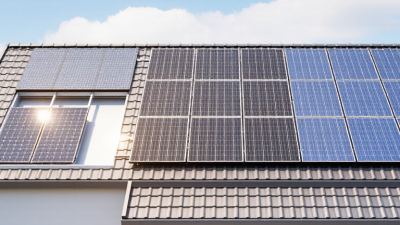
Choosing Solar Panels For Home use can turn an unused roof into a quiet source of electricity. Each morning, sunlight reaches the panels, and the system converts that light into power for lights, appliances, and heat pumps. The change is practical. Your meter may move more slowly during sunny hours.
Amory Lovins, physicist and energy expert, said, “The best energy is the energy you don’t use.” His point adds useful balance. Solar works best when paired with efficient windows, insulation, and careful appliance choices. A larger system cannot fix every wasteful habit. Sometimes, a smaller system makes more sense.
Roof direction, shade, weather, and local electricity prices all affect results. A tall tree can cover several panels with afternoon shadows. Dust can reduce output, although regular rain often helps clean the surface. Batteries may improve evening use, but they increase the project’s cost and maintenance needs.
Real homes rarely match perfect online examples. That is worth remembering. A qualified installer should review twelve months of electricity bills, inspect the roof, and explain expected production. Independent certifications and clear warranties also matter. Incentives change by location, and estimates should not promise guaranteed savings.
Solar Panels For Home can reduce grid dependence and create more predictable energy costs. They can also involve substantial upfront spending. The best decision depends on your roof, budget, household schedule, and long-term plans. It is promising, but not effortless. Careful evaluation makes the investment more reliable.
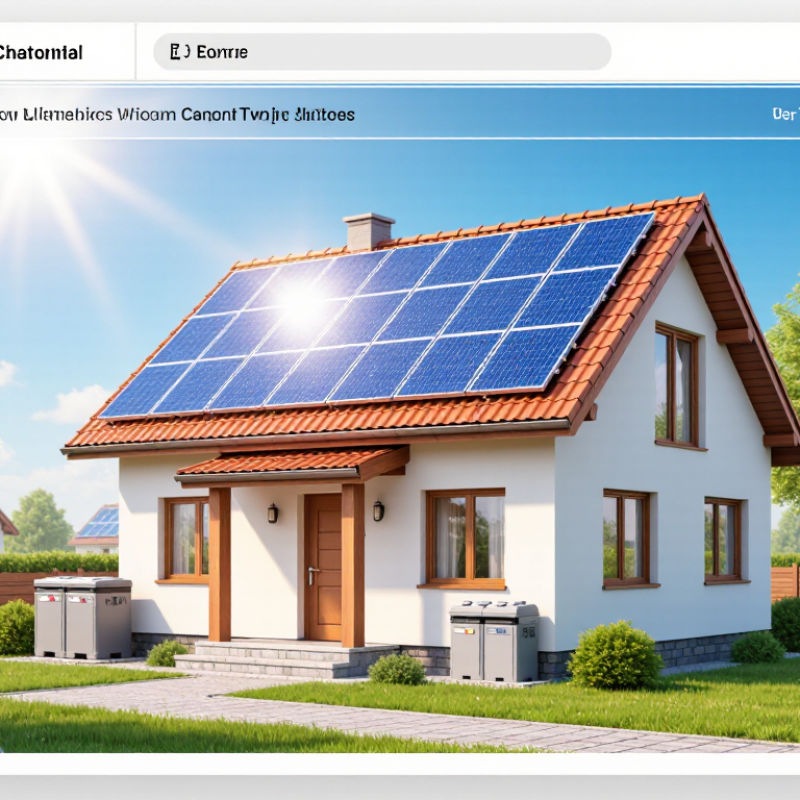
What Solar Panels Are and How They Generate Household Electricity
Solar panels are devices that turn sunlight into electricity for a home. Most residential panels use photovoltaic cells made from semiconductor materials. When sunlight reaches these cells, it releases electrons and creates direct current. Simple process. Wires carry that current to an inverter. The inverter changes it into alternating current for household circuits. Lights, refrigerators, and computers can then use the power safely.
A rooftop system usually includes mounting rails, wiring, an inverter, and a monitoring device. Some homes add a battery to store extra daytime generation. Without storage, unused electricity may flow to the grid, depending on local rules and the home’s connection.
Production changes with seasons, cloud cover, roof angle, and shade from trees. A small shadow can affect several connected panels. A qualified assessment should check the roof condition, electrical capacity, and expected annual output. Estimates matter.
Choosing solar is not simply a purchase decision. It is an energy-use decision. A household running appliances during sunny hours may use more of its own generation. I would compare several months of electricity bills with a realistic production estimate. A first calculation can look convincing, yet ignore winter shading or future roof repairs. That mistake is worth admitting. Panels need little routine care, but connections and equipment should be inspected by competent professionals. Clear records, transparent assumptions, and compliant installation make the system easier to trust over time.
How Solar Energy Systems Work in a Residential Setting
Solar panels convert sunlight into electricity through photovoltaic cells. In a residential system, panels produce direct current, or DC power. An inverter changes it into alternating current, or AC power, for household appliances. Lights, refrigerators, and computers can then use that electricity through the home’s electrical panel.
The roof decides. Roof direction, pitch, shade, and local weather affect daily production. A south-facing roof often receives strong sunlight, but other directions may still work well. During bright hours, the system may produce more power than the household needs. Extra electricity can flow to the grid, depending on local regulations and utility agreements. At night, the home usually draws electricity from the grid or a battery.
A battery stores unused daytime energy for evening use or short outages. Without one, solar power does not normally keep a home running during a grid failure. This detail is often missed. A professional assessment should review roof condition, household consumption, wiring, permits, and safety requirements before installation. Monitoring software can show production and unusual changes, but the readings are not always perfect. Dust, snow, tree growth, and seasonal sunlight can reduce output. Some households expect complete energy independence, yet that goal may require more panels, storage, and careful energy management. Solar still offers a practical way to reduce purchased electricity while using the home’s existing electrical network.
Key Benefits of Using Solar Panels at Home
Why Choose Solar Panels For Home Use?
Solar panels can turn an unused roof into a small power station. A 5-kilowatt system may produce roughly 6,000 to 8,000 kilowatt-hours annually in a sunny region, according to estimates from the National Renewable Energy Laboratory’s PVWatts modeling tool. Actual output depends on roof direction, shading, weather, and local installation quality. That variability matters.
The strongest household benefit is lower exposure to rising electricity prices. Solar generation can offset daytime consumption, especially when appliances run during bright hours. The International Energy Agency reported nearly 420 gigawatts of solar photovoltaic capacity additions worldwide in 2023. Solar represented about three-quarters of new renewable capacity that year, showing its growing technical maturity. It is no longer an experimental choice.
Maintenance is usually limited to inspection, monitoring, and occasional cleaning. NREL’s review of photovoltaic degradation found a median performance decline of about 0.5% per year. Panels still age. Inverter replacement and battery costs can affect the financial return, so a careful quotation should include warranties, roof condition, electricity tariffs, and payback assumptions. The numbers are useful, not promises. I would also check winter production before deciding. A bright summer roof can look impressive, yet annual savings depend on every season.
Why Choose Solar Panels for Home Use?
Solar panels can reduce household electricity costs and provide clean, renewable energy. The chart below estimates annual bill savings for different residential solar PV system sizes.
Estimates use typical residential assumptions: 1,200 kWh of electricity generation per installed kW each year, 80% on-site energy use, an electricity price of $0.16/kWh, and a $0.05/kWh credit for exported electricity. Actual results vary by location, roof orientation, weather, energy use, and local electricity rates.
Factors to Consider Before Installing a Home Solar System
Why Choose Solar Panels For Home Use?
Factors to Consider Before Installing a Home Solar System
Solar panels can reduce grid electricity use, but suitability depends on your home. A roof survey should check orientation, pitch, age, and afternoon shade. Tall trees can quietly reduce production. Roof condition matters too. Replacing tiles later may require removing the panels, adding unexpected labor costs.
Review twelve months of electricity bills before choosing system size. Seasonal demand is important. Air conditioning may create summer peaks, while heating affects winter use. Ask a qualified installer to model local sunlight and likely annual output. Do not rely on optimistic estimates alone. I would also compare battery storage with direct grid use. Batteries can improve evening access, but their cost, lifespan, and replacement schedule need honest calculation.
Electrical capacity and local permitting deserve careful attention. A licensed professional should inspect the distribution board, cable routes, and roof structure. Confirm whether your utility allows export and how credits are calculated. Request written details about warranties, monitoring, maintenance, and workmanship. Installer credentials and independent reviews can reveal more than a polished sales pitch. One practical detail is often missed: leave safe access for future roof repairs. Solar is promising, but poor planning can make a good technology frustrating.
Installation, Maintenance, and Long-Term Performance of Solar Panels
Why Choose Solar Panels For Home Use?
Installation, Maintenance, and Long-Term Performance of Solar Panels
Installing solar panels begins with a roof assessment, not a sales estimate. An experienced installer should inspect roof age, shading, structural strength, wiring, and local permit requirements. Morning and afternoon shadows matter. A clear layout should show panel positions, cable routes, access paths, and expected annual production. Homeowners should also confirm who handles inspections and grid connection paperwork. Cutting corners here can create expensive problems later.
Maintenance is usually simple, but it is not completely hands-free. Leaves, dust, bird deposits, and snow can reduce sunlight reaching the surface. A visual check after severe weather is sensible. Do not walk on the roof without proper training. Instead, use safe ground observations or hire a qualified technician. Monitoring software can reveal unusual drops in production, although readings may be confusing at first. Keep records. Comparing monthly output with weather conditions gives a more honest picture.
Over time, panels slowly lose efficiency, while inverters and wiring may need earlier attention. Ask for clear documentation covering equipment life, repairs, removal, and recycling options. A good installer should explain realistic performance instead of promising perfect savings. My practical concern is often overlooked: household electricity use changes. New appliances, home offices, or tree growth can alter the original calculation. Reviewing system performance every few years helps identify those changes before they become costly surprises.
Related Posts
-
2026 Best Solar Panels For Home Which Type Is Best?
-
Maximize Your Home Energy Efficiency with Cutting Edge Solar Panels
-
What is Solar Panels For Home: A Complete Guide to Home Solar Energy Solutions
-
How to Choose the Best Pv Panels for Your Home Energy Needs
-
Top 10 Sunlight Solar Manufacturers from China at the 137th Canton Fair
-
Unlocking Energy Savings: Advantages of Choosing the Best Solar Panels for Your Home