10 Solar Panel Installation Tips for Buyers
Choosing a solar system is a practical investment, but the panels are only one part of the decision. Roof condition, household energy use, local sunlight, and installation quality all affect what a system can deliver. Small details matter. A shaded roof section can reduce output, while an unsuitable inverter may limit how efficiently the system works.
Solar Panels Installation should begin with a careful assessment, not a quick sales estimate. Ask installers to explain their production assumptions, equipment choices, warranties, and expected project timeline. Compare itemized quotes, and check that each provider has relevant experience and verifiable customer references. If a proposal promises unusually high savings without discussing your energy bills or roof, pause and ask for evidence. Estimates are not guarantees.
This guide presents ten useful tips for buyers preparing to install solar panels. It covers roof inspections, system sizing, equipment comparisons, installer selection, permits, warranties, and post-installation checks. You will also find questions to ask before signing, such as how the system handles shade and who supports you if monitoring shows a problem. The advice is intended to help you make informed comparisons; your roof and energy needs may call for different choices. Not every home is an ideal fit. That can be disappointing, but it is better to discover it before paying a deposit.
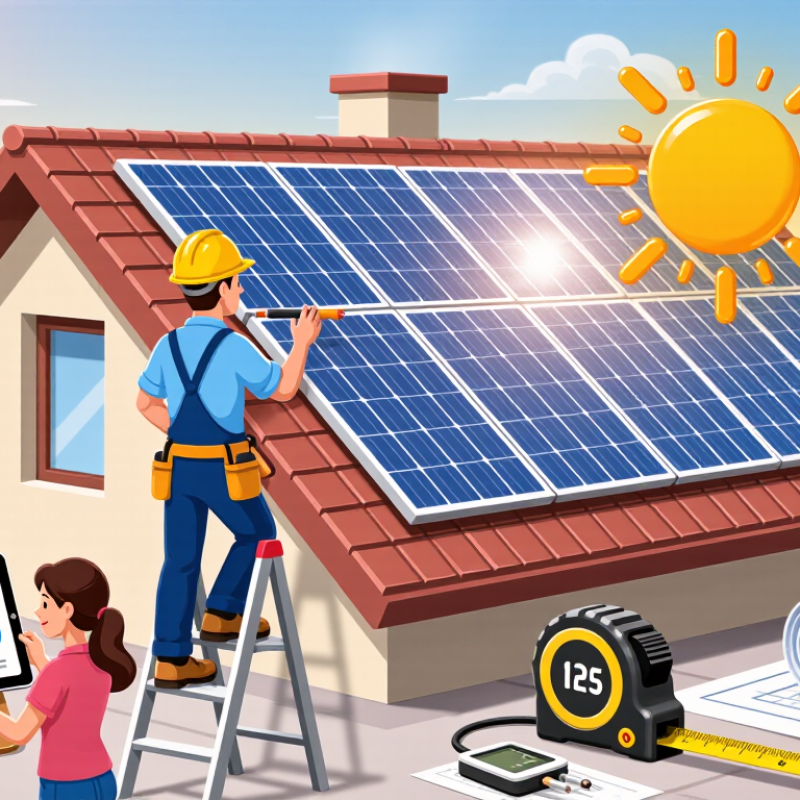
Assess Your Energy Use and Roof Suitability
Before choosing a solar system, review a year of electricity bills and note how much power your household uses each month.
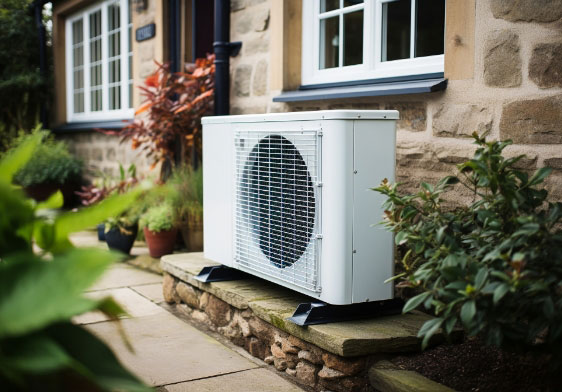
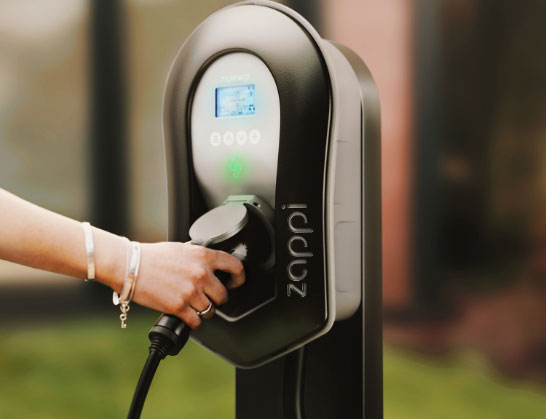
Record when demand rises, such as during hot afternoons or winter evenings. Consider planned changes, too: an electric vehicle or heat pump can shift your needs.
Bills offer a useful starting point, but estimates are imperfect. I once overlooked a seasonal spike; it changed the size I thought I needed.
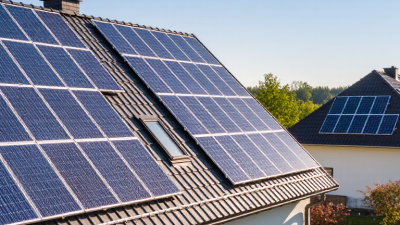
Tips: Check the roof from the ground for heavy shade, damaged shingles, and nearby trees. Note the roof’s age and direction. A qualified installer can assess structure, pitch, and usable space; a quick glance cannot confirm roof strength.
Shade from a chimney or tall tree can reduce a panel’s output, even on a bright day.
Ask for a site assessment that shows likely shade patterns and explains its assumptions.
Roof repairs may be better handled before installation, since panels can make later work more involved. If your roof is old, get its condition checked before making a decision.
The best layout is not always the largest one. It should fit your actual use and roof, with room for uncertainty.
Compare Solar Panel Systems, Equipment, and Quotes
Solar quotes are useful only when they describe the same job. Ask each installer to specify panel count, rated output, estimated annual production, and the assumptions behind that estimate. A higher-wattage panel does not automatically mean more energy for your roof. Shade, roof direction, and local weather matter. Small details matter.
Compare inverter options, too. String inverters, microinverters, and power optimizers handle shade and system monitoring differently. Ask what happens if one component fails, and whether monitoring shows energy production clearly. Check the mounting hardware, roof work, and workmanship coverage. If a battery is included, request its usable capacity and expected role during an outage. Keep optional equipment separate from the base price.
Read quotes side by side, not just by total cost. Look for installation labor, electrical upgrades, permits, and any exclusions. Ask whether the production estimate accounts for shade observed at your home. It may not. A comparison can still be imperfect if installers use different assumptions, so request revisions before deciding. Note the estimated yearly savings, but treat them as projections, not guarantees. A cheaper quote may omit needed work, while a higher one may include equipment you do not need.
Check Installer Credentials, Permits, and Incentives
Before requesting solar quotes, check each installer’s credentials with the relevant licensing authority. Requirements vary by location, so confirm what applies to your home. Ask for proof of liability and workers’ compensation insurance, plus references for recent projects. A good reference can tell you whether the crew protected the roof, arrived when promised, and explained delays clearly. Read the contract for equipment specifications, workmanship coverage, payment milestones, and who handles inspections.
Tips: Request the permit plan in writing. Confirm who submits it and schedules required inspections. Ask the installer to list incentives you may qualify for, with eligibility rules and deadlines. Verify those details with official government or utility sources; programs can change, and a sales estimate is not a guarantee.
Permits help ensure the system meets local building and electrical requirements. Do not assume approval is automatic. Ask how the project timeline could change if plans need revision, and keep copies of applications, approvals, and inspection records. Incentives may depend on ownership, installation dates, system details, or tax circumstances. I would be cautious about any promised savings that lack written assumptions. It is easy to focus on the monthly payment and overlook exclusions, so compare the full cost and ask questions until the figures make sense.
Plan Installation Timing, Site Access, and Safety
Installation timing affects both crew access and roof conditions. Choose a period with a reasonable stretch of dry weather, but keep a backup date. Rain, strong winds, or extreme heat can delay work or make roof tasks unsafe. Confirm the delivery window and installation day together. I would leave extra time between them; schedules can look neat on paper and still slip.
Tips: Clear the driveway and walkway before equipment arrives. Move patio furniture, vehicles, and fragile items away from the work area. Tell the crew about locked gates, narrow side paths, pets, or overhead obstacles. A few photos of tricky access points can prevent surprises.
Ask the installer how workers will reach the roof and where materials will be staged. Keep children and pets indoors or well away from that area during work. Do not climb up to inspect panels yourself; request progress photos or a ground-level walkthrough instead. Check the forecast again the day before, and ask whether the crew will pause if conditions turn unsafe. One detail is easy to miss: a clear roof does not always mean a clear route to it.
Solar Panel Installation: Pre-Installation Priorities
Use these relative 1–5 planning scores to organize preparation: confirm permits and utility requirements, assess the roof and electrical system, and plan safe site access first. Check local requirements and the installer’s guidance, since timelines and safety procedures vary by project.
Review System Testing, Warranties, and Performance Monitoring
Before accepting a solar installation, ask for documented system tests. The crew should verify wiring polarity, grounding, inverter operation, and array output. Ask to see the readings, not just hear that everything works. A cloudy test day may limit useful output comparisons, so request an explanation of the conditions. Small detail, big difference.
Read each warranty carefully. Equipment coverage, installation workmanship, and energy-performance guarantees are different promises. Check when coverage begins, what maintenance is required, and who submits a claim if a component fails. Keep the signed agreement, inspection records, and test results together. Fine print matters. A projected output is not a promise of identical production every year; weather, shade, and system changes can affect results.
Set up performance monitoring before the installer leaves, and confirm you can access the account yourself. Compare monthly production with the estimate, allowing for seasonal sunlight and cloudy stretches. Investigate a sudden drop, repeated alerts, or an inverter that stops reporting. Monitoring data can be noisy, and an app may not explain the cause. Keep notes on outages and service visits; they make later warranty questions easier to answer.
Related Posts
-
Why Is Solar Panel Installation Worth It?
-
Ultimate Guide to Choosing the Best Solar Panels for Your Home: A Global Procurement Perspective
-
Unlocking the Benefits of Solar Panels for Sustainable Home Energy Solutions
-
10 Best Solar Panel Systems for Your Home: Benefits and Buying Guide
-
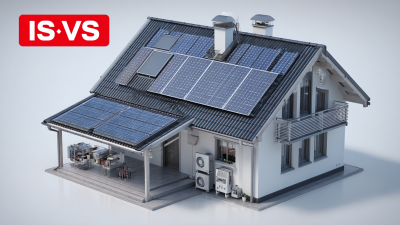
Solutions for Choosing the Best Solar Panel System for Your Home Requirements
-
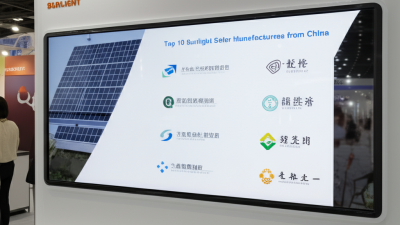
Top 10 Sunlight Solar Manufacturers from China at the 137th Canton Fair