




How to Use Synthetic Mica Powder in Your Beauty Products?
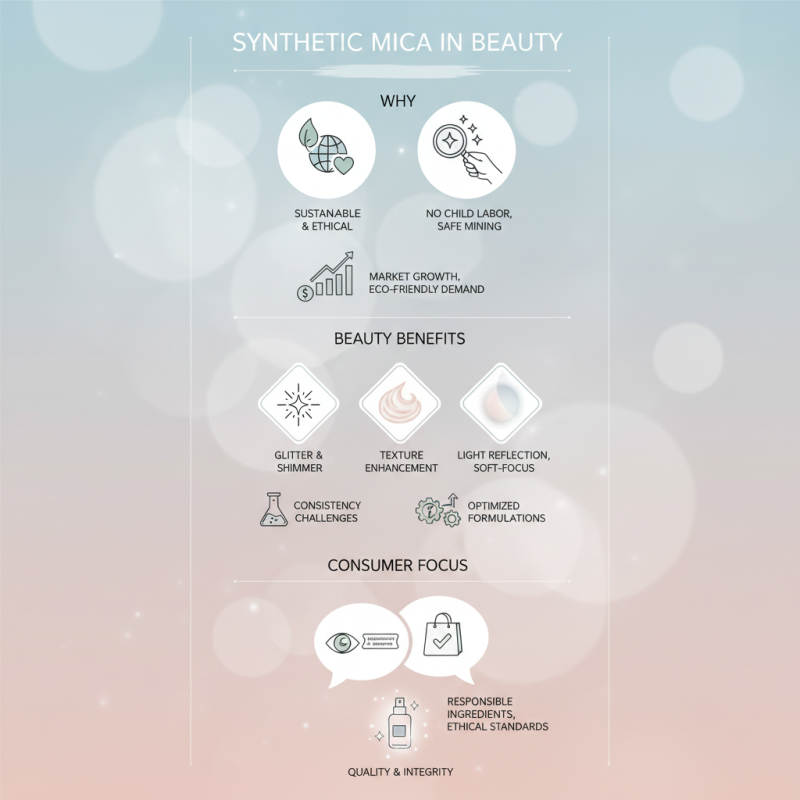
In recent years, the beauty industry has increasingly turned to synthetic mica powder. This innovation offers a sustainable alternative to natural mica, known for its ethical issues related to child labor and unsafe mining practices. Industry reports show that the global synthetic mica market is expected to grow significantly, with increasing demand for eco-friendly makeup products.
synthetic mica powder not only serves as a glittering agent but also enhances the texture of beauty formulations. It provides superior light reflection and is often praised for its ability to create a soft-focus effect. However, imperfect formulations can sometimes lead to challenges in consistency and color. It’s crucial for manufacturers to continuously optimize their processes to ensure high-quality products.
As brands embrace synthetic mica powder, consumer awareness surrounding sourcing and safety becomes vital. The call for transparency is growing, with many customers prioritizing products made with responsibly sourced ingredients. The beauty industry must reflect on its practices and strive for improvements while meeting both consumer and ethical standards.
Understanding Synthetic Mica Powder and Its Properties
Synthetic mica powder is gaining popularity in beauty products. It mimics natural mica, offering a shimmering effect without the environmental concerns. Its unique properties allow for a smooth application and excellent blendability in makeup formulations.
One key characteristic of synthetic mica is its light-reflective ability. This helps achieve a radiant finish, captivating users. However, it's essential to note that not all synthetic micas are created equal. Some may not provide the same level of luminosity as others. Understanding the differences is crucial for formulators.
In addition to its aesthetic benefits, synthetic mica is also praised for being non-toxic. It is less likely to irritate the skin compared to some natural alternatives. Still, testing on various skin types is essential before widespread use. Despite its benefits, the sourcing of raw materials can sometimes be problematic. Balancing sustainability with performance remains a challenge in the beauty industry.
Choosing the Right Type of Synthetic Mica for Your Formulations
Choosing the right type of synthetic mica is essential for any beauty formulation. Synthetic mica provides a consistent quality that natural mica often lacks. According to a market analysis from Grand View Research, the global synthetic mica market is expected to grow at a CAGR of 8.5% from 2021 to 2028. This growth reflects an increasing awareness of sustainable practices in the beauty industry.
When selecting synthetic mica, consider its particle size. Smaller particles will produce a softer appearance, while larger ones offer more shimmer. The type can significantly affect the final aesthetic and performance of your product. For example, synthetic mica can improve the adherence of pigments, providing longer-lasting results. However, not all grades are suitable for every formulation. It's essential to test and evaluate how different types behave in your specific product.
Another factor is the source of synthetic mica. While produced without environmental concerns typical of mining, quality might differ across suppliers. Reports indicate that some synthetic micas may not perform as well in emulsions compared to others. Discrepancies in performance can lead to inconsistent product results. Manufacturers must analyze their options and choose wisely to maintain effectiveness in their formulations.
Incorporating Synthetic Mica Powder in Different Beauty Products
Synthetic mica powder is gaining popularity in the beauty industry. Its shimmering effect enhances the appearance of various beauty products. In 2021, the global cosmetic mica market was valued at approximately $1.6 billion. This indicates a significant demand for high-quality mica alternatives.
Makeup products often incorporate synthetic mica powder to create a silky texture. It's commonly found in foundations, eye shadows, and highlighters. According to a recent industry report, over 30% of cosmetic formulations now include mica. However, choosing synthetic over natural mica can reduce environmental impact, which is crucial. Consumers are increasingly aware of sourcing materials transparently.
In skincare, synthetic mica powder acts as a soft focus agent. It can diffuse light and minimize the appearance of fine lines. Some challenges arise in balancing its shimmer with skin integrity. Not all formulations achieve the desired effect, leading to a need for trial and error. Innovation in this area is essential for improving product performance. Emphasizing sustainable sourcing and product quality could elevate consumer trust.
Best Practices for Mixing and Blending Mica in Cosmetics
When incorporating synthetic mica powder into beauty products, mixing is crucial. Mica adds shimmer and texture, enhancing visual appeal. A report by the Personal Care Products Council shows that 40% of consumers prefer products with natural-looking finishes. This highlights the importance of effective blending techniques.
Start by measuring mica powder accurately, ideally at 1-5% of the total product weight. Use a fine sieve to prevent clumps. When blending, consider a slow speed in mixing to ensure even distribution. This can prevent uneven textures, which are often seen as less professional. There’s a learning curve, and results might not be perfect initially.
**Tip:** Experiment with different ratios to find your ideal blend. Never hesitate to adjust your formula based on feedback. Mixing mica can be tricky. If the application feels grainy, you might need a better emulsification technique.
Keep in mind that not all mica is created equal. Some sources may have impurities that affect color and quality. Always verify your supplier’s standards. If your end product feels off, it might not just be the mica, but the entire formulation process needs reevaluation.
Usage of Synthetic Mica Powder in Beauty Products
Color and Finish Effects: Exploring Synthetic Mica in Beauty Applications
Synthetic mica powder has gained traction in beauty applications. Why? Its ability to create stunning color and finish effects is unmatched. This powder is lightweight and features a silky texture, which translates beautifully on skin. It can reflect light, adding a natural glow that many desire in cosmetics.
The color variations in synthetic mica can be mesmerizing. You can find shades ranging from soft pastels to vibrant jewel tones. These colors can enhance products like eyeshadows, highlighters, and lip glosses. However, achieving the perfect balance can be tricky. Sometimes, a little too much might overwhelm the product. A subtle approach often works best, adding just the right amount of shimmer and shine.
Using synthetic mica isn't just about aesthetics. It also brings a unique feel to formulations. Consumers often seek products that feel luxurious. However, formulations can sometimes feel heavy if not balanced well. There’s a fine line between radiant and overly sparkly. Experimentation is key; it’s important to keep testing and refining to find a harmonious blend that appeals to your target audience.