Top 10 Silicone Rubber Tube Applications for Global Buyers?
Silicone Rubber Tubes have revolutionized various industries due to their exceptional properties. According to a report by Grand View Research, the global silicone market is projected to reach $28.63 billion by 2025, driven largely by the demand for silicone rubber tubes. These tubes stand out for their heat resistance, flexibility, and durability, making them ideal for diverse applications.
The medical sector is among the largest consumers of silicone rubber tubes. In healthcare, they are used for fluid transfer, ensuring safety and reliability. Additionally, the automotive industry utilizes these tubes for fuel and coolant systems, leveraging their resistance to heat and chemicals. However, despite their advantages, challenges remain. For instance, ensuring the consistency of quality across suppliers can be a concern.
In industries such as food processing, silicone rubber tubes are vital for sanitary handling. But, users must be aware of potential issues with compatibility and maintenance. Understanding these applications and their limitations can empower global buyers. By identifying the best uses for silicone rubber tubes, businesses can maximize efficiency and performance in their operations.
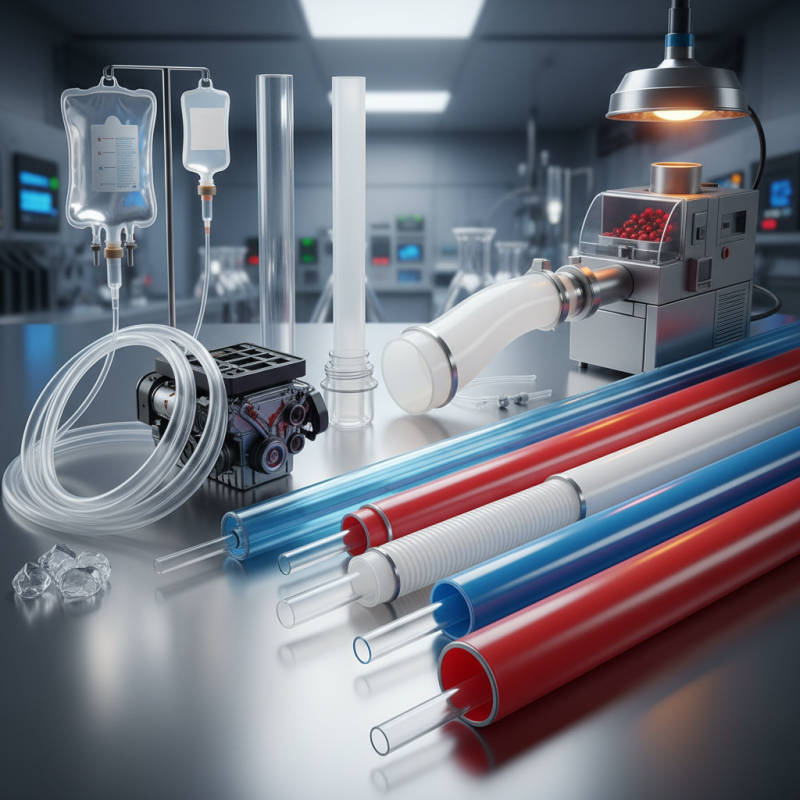
Overview of Silicone Rubber Tubes and Their Properties
Silicone rubber tubes are versatile tools used in various industries. They boast excellent flexibility and durability, making them ideal for numerous applications. Silicone offers remarkable resistance to extreme temperatures, from -100°F to 500°F. This ability allows them to perform well in both hot and cold environments. Moreover, silicone is resistant to ozone, UV light, and weathering, increasing its longevity.
These tubes are commonly used in medical, automotive, and food industries. In the medical field, they help transport fluids and gases safely. For automotive applications, they manage coolant and air intake systems. In food processing, silicone tubes ensure safe handling of consumables. Their non-toxic nature makes them a preferred choice.
While silicone rubber tubes present several benefits, they are not impervious to limitations. They can be more expensive than alternatives, which might deter some buyers. Additionally, despite their resilience, they may wear over time in harsh conditions. Understanding these factors is crucial when considering silicone tubes for specific needs.
Top 10 Silicone Rubber Tube Applications for Global Buyers
| Application | Industry | Temperature Range (°C) | Key Properties | Common Uses |
| Medical Equipment | Healthcare | -60 to 200 | Biocompatibility, Flexibility | IV tubes, Catheters |
| Food Processing | Food & Beverage | FDA Approved, Non-toxic | Hoses, Tubing for liquids |
| Automotive Hoses | Automotive | -40 to 220 | Chemical Resistance, Durability | Coolant hoses, Fuel hoses |
| Electrical Insulation | Electronics | -60 to 180 | Electrical Insulation, Heat Resistance | Wire coatings, Connectors |
| Construction Seals | Construction | -50 to 150 | Weather Resistance, Flexibility | Window seals, Construction joints |
| Aerospace Components | Aerospace | -50 to 200 | Lightweight, Heat Resistance | Seals, Tubing for aviation applications |
| Household Products | Consumer Goods | -40 to 120 | Non-toxic, Flexibility | Kitchen utensils, Seals |
| Biomedical Devices | -60 to 200 | Biocompatibility, Sterilizable | Prosthetics, Surgical tools |
| Industrial Machinery | Manufacturing | -30 to 200 | Durability, Chemical Resistance | Conveyor belts, Seals |
| Fire Safety Equipment | Safety | -50 to 250 | Fire Retardant, Flexibility | Hoses, Seals for fire systems |
Industrial Applications of Silicone Rubber Tubes
Silicone rubber tubes are vital in various industrial applications. Due to their high resistance to extreme temperatures and chemicals, they excel in sectors like automotive, food processing, and medical devices. According to industry reports, the automotive sector alone accounted for approximately 25% of the silicone rubber market in 2022. This demonstrates their crucial role in manufacturing parts that withstand high stress and varying environmental conditions.
In food processing, silicone tubes ensure safe transport of liquids and semi-solids. They are non-toxic and can withstand sterilization processes. A significant factor is the FDA approval of many silicone products. This compliance guarantees safety in food handling. The medical sector also heavily relies on silicone tubes for their flexibility and biocompatibility. Around 30% of medical-grade silicone is utilized for tubing applications.
Despite their advantages, the durability of silicone tubes can vary. Over time, they may degrade in certain environments, leading to potential leaks. Regular inspection and maintenance are crucial to ensure performance. The evolving production techniques aim to enhance the lifespan of these materials. As industries seek reliability, the demand for high-quality silicone rubber tubes continues to grow.
Medical and Healthcare Uses of Silicone Rubber Tubes
Silicone rubber tubes have diverse applications, especially in the medical and healthcare fields. Their flexibility and resilience make them ideal for various medical devices and equipment. According to a report from MarketsandMarkets, the global silicone rubber market is projected to grow from $6.54 billion in 2020 to $11.16 billion by 2025. This growth highlights the increasing demand for high-quality materials in medical applications.
One significant use of silicone rubber tubes is in the field of anesthesia. These tubes are often used in endotracheal intubation systems. Their biocompatibility ensures safety for patients. Silicone tubes resist bacteria and provide a smooth surface for airflow. Additionally, many healthcare providers prefer silicone over other materials due to its durability and low toxicity.
However, the use of silicone rubber in healthcare is not without challenges. While it is generally safe, the long-term effects of silicone exposure on certain patients remain under investigation. Recent studies suggest that some individuals may have sensitivities. This raises questions about the overall safety of silicone in critical applications. Understanding these aspects is crucial as the industry evolves, ensuring patient safety and efficacy in medical treatments.
Consumer Products Utilizing Silicone Rubber Tubes
Silicone rubber tubes are increasingly found in various consumer products. Their flexibility and resistance to extreme temperatures make them ideal for kitchenware. For example, silicone baking mats can withstand temperatures up to 482°F. This durability ensures that they can be reused without degrading, unlike other materials.
In personal care, silicone rubber tubes are common in applications like cosmetic dispensers. According to a market research report, the global silicone rubber market for personal care reached approximately $2.5 billion in 2022. Many women prefer these tubes for their ability to dispense products easily and hygienically. This brings convenience and efficiency to daily routines.
Other areas of usage include sports equipment and medical devices. Flexible silicone tubes are found in water bottles and athletic gear. Additionally, their ability to be sterilized makes them suitable for medical settings. However, not all products are created equally. Consumers must consider factors such as production quality and environmental impact. The need for reliable sources is more critical than ever in a rapidly evolving market.
Environmental Considerations in Silicone Rubber Tube Production
Silicone rubber tubes are versatile in many industries, from healthcare to automotive. However, environmental considerations in their production are becoming crucial. The production process can release harmful substances. Therefore, manufacturers must prioritize eco-friendly practices.
One vital area is sourcing raw materials. Opting for sustainably harvested silica minimizes environmental impact. Additionally, adopting energy-efficient methods can reduce greenhouse gas emissions. The goal is to create high-quality tubes without harming the planet.
**Tip:** Consider working only with manufacturers implementing green practices. This helps ensure that the products you choose are sustainable.
Another point of concern is waste management. Used silicone products often end up in landfills. To combat this, recycling programs should be established. Companies that embrace a circular economy contribute positively to the environment.
**Tip:** Explore suppliers offering recyclable silicone tubes, which can help reduce your carbon footprint.
Continuous improvement in production methods is essential. Innovations can make the process cleaner and safer. Engaging in dialogue about environmental responsibility can lead to better solutions. Seeking transparency from suppliers is crucial to making informed choices.
Top 10 Silicone Rubber Tube Applications