
How to Choose the Best Pv Panels for Your Home Energy Needs
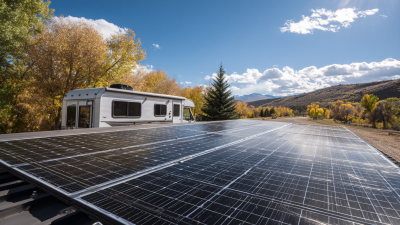
Choosing the best PV panels for your home energy needs is a critical decision that can significantly impact your energy efficiency and savings. According to the Solar Energy Industries Association (SEIA), the U.S. solar market grew by nearly 43% in 2020, indicating a rising trend in residential solar adoption. As homeowners increasingly look to renewable energy sources, understanding the nuances of PV panels becomes essential for making informed choices that meet their specific energy requirements.
Renowned PV expert Dr. Emily Wu, a leading researcher in solar technology, emphasizes the importance of quality and efficiency in PV panel selection. She states, “The right PV panels not only enhance energy production but also ensure long-term sustainability and reliability.” This insight highlights the need for homeowners to consider factors like efficiency ratings, warranty terms, and system compatibility when evaluating PV panels. With advancements in photovoltaic technology and the variety of options available in the market, homeowners are better equipped than ever to tailor their solar energy systems to their unique needs.
Understanding Your Home's Energy Requirements
When considering solar photovoltaic (PV) panels for your home, understanding your energy requirements is essential for making an informed decision. According to the U.S. Energy Information Administration, the average American household consumes about 877 kWh of electricity per month, translating to approximately 10,649 kWh annually. This foundational knowledge helps homeowners determine the size and number of solar panels needed to meet their energy demands effectively.
To gauge your specific energy needs, begin by analyzing your utility bills from the past year. Look for patterns in consumption—highlighting seasonal variations, peak usage times, and any appliances that might significantly impact your power consumption. For instance, homes with electric heating or cooling systems generally have higher energy demands, prompting a potentially larger solar installation. Additionally, the National Renewable Energy Laboratory suggests that a typical solar panel generates between 250 to 400 watts of power per hour under optimal sunlight conditions. By calculating your energy consumption against local solar generation potential, you can better assess the type of PV system that will fulfill your household's energy requirements efficiently.
Types of PV Panels: Monocrystalline, Polycrystalline, and Thin-Film
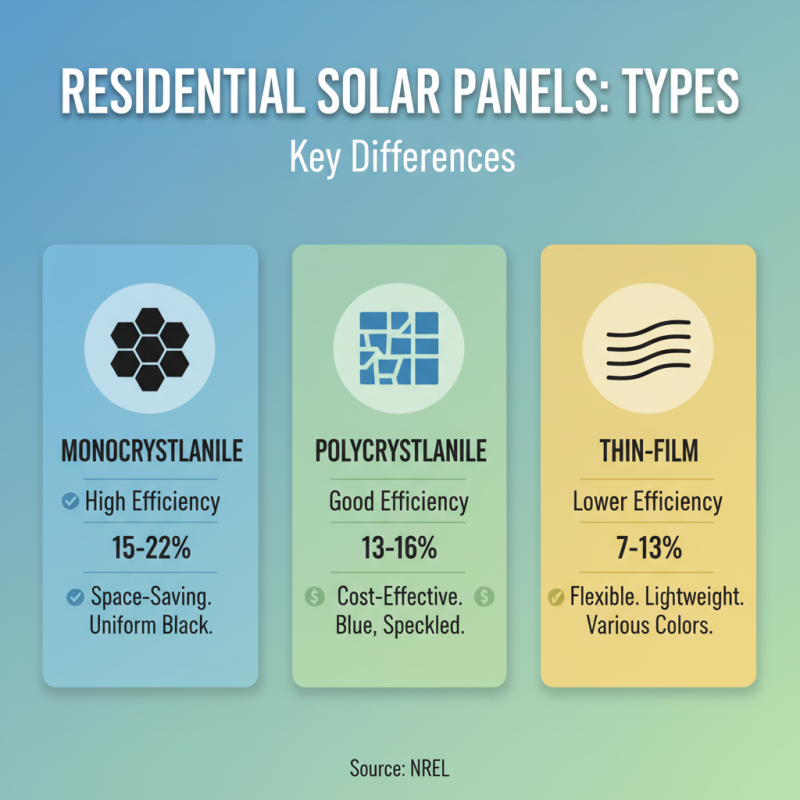
When selecting photovoltaic (PV) panels for residential energy needs, understanding the different types available is crucial for making an informed decision. The three primary categories are monocrystalline, polycrystalline, and thin-film panels, each with distinct advantages and potential drawbacks. According to the National Renewable Energy Laboratory (NREL), monocrystalline panels are known for their high efficiency, typically ranging from 15% to 22%. Their uniform black appearance and compact design make them a popular choice when space is limited, as they require less surface area to generate the same amount of energy as their counterparts.
In contrast, polycrystalline panels generally present a lower efficiency rating, hovering between 13% to 16%. However, they are often more cost-effective, with a price per watt that is competitively lower than monocrystalline options. Their bluish hue comes from the multiple silicon crystals used in their manufacturing, which also makes them less space-efficient. Meanwhile, thin-film panels provide flexibility and versatility, making them ideal for unique installations. Though their efficiency can be as low as 10% to 12%, they present a significant advantage in larger applications due to their lightweight nature and relatively lower production costs. The choice among these types ultimately hinges on factors like available installation space, budget considerations, and specific energy needs.
Factors to Consider When Choosing PV Panels
When selecting the best photovoltaic (PV) panels for your home energy needs, several critical factors come into play to ensure optimal performance and efficiency. Firstly, the efficiency rating of PV panels is paramount. Typically, residential solar panels range from 15% to 22% efficiency, with higher efficiency yielding more power production per square meter. According to the National Renewable Energy Laboratory (NREL), choosing more efficient panels can significantly reduce the total area required for installation, allowing for better use of space, especially in areas with limited roof size.
Another crucial consideration is the panel’s wattage and output capacity. The average wattage of residential solar panels falls between 250 to 400 watts. Higher wattage panels provide greater energy output which can be beneficial for households with higher energy consumption. The Solar Energy Industries Association (SEIA) emphasizes that selecting panels with the appropriate wattage can lead to more savings in the long run, particularly in regions with higher sunlight exposure where the energy yield is maximized.
In addition to efficiency and wattage, durability and warranty should not be overlooked. Most reputable manufacturers offer a performance warranty of 25 years, ensuring that the panels will produce a specified output over their lifetime. According to the International Renewable Energy Agency (IRENA), investing in high-quality panels can lead to better long-term performance, reducing the likelihood of costly replacements or inefficiencies. Proper research and consideration of these factors will enable homeowners to make informed decisions that align with their energy needs and financial goals.
Factors to Consider When Choosing PV Panels
This chart represents the efficiency (%) and average cost ($/W) of different types of photovoltaic (PV) panels available for residential use. Selecting the right panel involves balancing efficiency, cost, and other factors.
Evaluating Efficiency and Cost of PV Panels
When evaluating the efficiency and cost of photovoltaic (PV) panels for your home, it’s essential to understand how these two factors interplay in determining which system will meet your energy needs most effectively. Efficiency refers to the percentage of sunlight that a panel can convert into usable electricity. Higher efficiency panels can produce more energy in a smaller space, making them ideal for homes with limited roof space. Generally, efficiency ratings can range from around 15% to over 22%, with the higher ratings typically indicating advanced technology and materials.
Cost is another significant consideration, encompassing not only the purchase price of the panels but also installation and potential maintenance expenses over time. While high-efficiency panels might come with a higher upfront cost, they could lead to greater long-term savings on energy bills and reduced payback periods. Homeowners should also consider the average electricity price in their area and their expected energy consumption to gauge how quickly the investment will pay off. Additionally, available incentives and rebates can further impact the overall cost, making it crucial to explore all financial aspects before making a decision.
How to Choose the Best PV Panels for Your Home Energy Needs - Evaluating Efficiency and Cost of PV Panels
| Panel Type | Efficiency (%) | Cost per Watt (USD) | Warranty (Years) | Temperature Coefficient (%/°C) |
|---|---|---|---|---|
| Monocrystalline | 20.5 | $0.80 | 25 | -0.35 |
| Polycrystalline | 15.5 | $0.60 | 25 | -0.40 |
| Thin-Film | 10.5 | $0.50 | 10 | -0.30 |
| Bifacial | 22.5 | $0.90 | 30 | -0.33 |
Installation and Maintenance Considerations for PV Systems
When considering the installation of photovoltaic (PV) systems, it is essential to evaluate the various aspects of installation and ongoing maintenance. Proper installation is not only crucial for the system's efficiency but also for maximizing its lifespan. It is advisable to hire professional installers with experience in local regulations and environmental conditions. Factors such as tilt angle, orientation, and shading from nearby structures must be assessed to ensure optimal energy production. Additionally, integrating the PV system with your home’s electrical setup should be done meticulously to avoid potential hazards.
Maintenance is another critical aspect of ensuring the long-term performance of your PV system. Regular inspections are necessary to identify and address any issues that may arise, such as dirt accumulation on the panels, wear and tear on electrical components, or underperformance due to shading or obstructions. Most PV systems require minimal maintenance, but routine cleaning and occasional checks can help maintain peak efficiency. Ensuring that the inverters and battery systems (if used) are functioning appropriately is also vital, as these components play a crucial role in the overall energy management of your home. Proactive maintenance can significantly enhance the longevity and efficacy of your PV system, ultimately leading to greater energy savings and sustainability.
Related Posts
-
Maximize Your Home Energy Efficiency with Cutting Edge Solar Panels
-
The Future of Best Pv Panels in 2025 A Comprehensive Guide to Emerging Technologies and Market Trends
-

12 Top Rated Solar Pv Panels for Global Buyers in 2023
-
The Ultimate Guide to Optimizing Solar Power Installation for Global Buyers
-
Global Reach: Elevating Solar Energy Standards with China's Best Solar Power Solutions
-
Ultimate Guide to Choosing the Best Solar Panels for Your Home: A Global Procurement Perspective