


Why Choose an Electric Forklift Battery for Your Warehouse Needs?
In today’s fast-paced warehouse environments, choosing the right power source is crucial. An Electric Forklift Battery stands out as a reliable, efficient solution. These batteries power forklifts effectively, helping to streamline operations. With advancements in battery technology, electric options can now outperform traditional fuel sources.
Warehouse managers often debate various power options. Electric Forklift Batteries offer significant benefits. They operate quietly and reduce emissions, contributing to a cleaner workspace. However, initial costs may seem high, prompting some hesitation. Yet, the long-term savings in maintenance and fuel make them a smart choice.
Dependability is vital in a warehouse setting. Electric Forklift Batteries can last longer and require fewer replacements than their counterparts. Regular maintenance is essential, though. Understanding your specific needs can guide the decision. It’s not just about immediate costs but ensuring consistent, efficient operations over time.
Benefits of Electric Forklift Batteries in Warehouse Operations
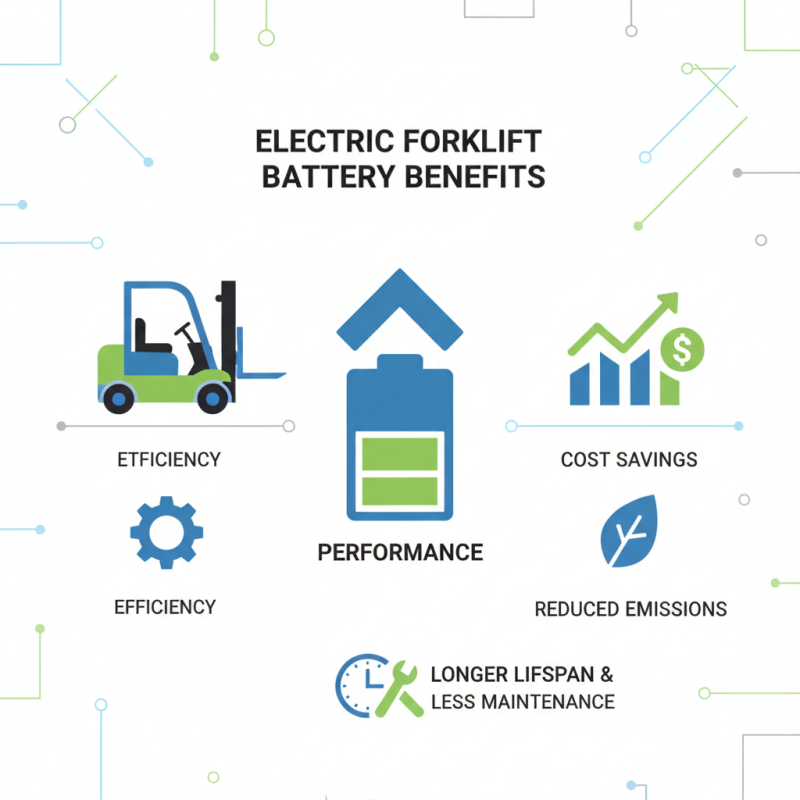
Electric forklift batteries have transformed warehouse operations. They offer numerous advantages over traditional lead-acid batteries. These batteries are known for their longer lifespan and quicker charging times. This means less downtime and more productivity on the warehouse floor.
Moreover, electric forklift batteries are more environmentally friendly. They produce no emissions, contributing to a healthier work environment. Many warehouses are prioritizing sustainability. Switching to electric batteries can significantly reduce a company's carbon footprint. This reflects positively on corporate responsibility.
However, transitioning to electric batteries can pose challenges. Initial costs might deter some businesses. Training staff to handle the new technology is necessary. It's important to weigh these considerations carefully. The benefits often outweigh potential drawbacks. Investing in electric forklift batteries can lead to long-term gains in efficiency and sustainability.
Cost Efficiency of Electric Forklift Batteries Compared to Alternatives
Electric forklifts have grown in popularity among warehouses for their cost efficiency. Unlike traditional gas-powered models, electric forklifts offer lower operational costs. They consume less energy, translating to significant savings over time. Maintenance costs are also reduced as they have fewer moving parts. This aspect can be a game-changer for busy facilities.
Choosing electric forklift batteries can lead to even more savings. While the initial investment may be higher, consider the long-term benefits. Electric batteries can last longer and require less frequent replacements. Warehouses that utilize fast charging systems can maximize productivity without lengthy downtime. The impact of fewer breakdowns on daily operations is substantial.
Yet, some may find the transition challenging. Training staff on new systems can be time-consuming. Additionally, monitoring battery health is crucial. Neglecting this can lead to unforeseen costs. However, the growing trend towards electric solutions showcases a shift towards sustainability and financial prudence. It reflects a commitment to operational efficiency and environmental responsibility.
Environmental Impact of Using Electric Forklift Batteries
Electric forklift batteries are increasingly favored in warehouses, primarily due to their environmental benefits. Reports indicate that electric forklifts can reduce greenhouse gas emissions significantly when compared to traditional gas-powered models. According to a study by the World Economic Forum, electric forklifts can lower emissions by up to 70%, contributing to cleaner air quality in industrial zones.
The lifecycle analysis of electric batteries shows they generate less waste. Unlike lead-acid batteries, which can be hazardous, lithium-ion batteries have a longer lifespan and are recyclable. The International Energy Agency notes that recycling processes for these batteries are improving, enabling the recovery of valuable materials. This emphasizes a push towards sustainability in warehouse operations.
While the shift to electric batteries presents advantages, challenges remain. Initial costs may be higher than traditional options. Some warehouses also face infrastructure hurdles in charging capabilities. Nevertheless, investing in electric forklift batteries aligns with long-term sustainability goals. Adopting this technology is a step towards an eco-friendly future, though constant evaluation of its impact is essential.
Maintenance and Lifespan Considerations for Electric Forklift Batteries
Electric forklift batteries offer numerous advantages for warehouse operations, particularly concerning maintenance and lifespan. Using a reliable battery type can significantly reduce the frequency of replacements. However, regular upkeep is essential. Battery life is not merely about usage; routine maintenance practices also play a vital role.
Tips for maintaining your electric forklift battery:
- Regularly check fluid levels and top off with distilled water as needed.
- Keep terminals clean and free from corrosion. This helps ensure efficient conductivity.
Optimizing battery lifespan involves using the right charging techniques. Overcharging can damage the battery. It is essential to follow the recommended charging schedule closely. Additionally, temperature matters; batteries perform best in moderate conditions.
Sometimes, despite all efforts, batteries still experience performance drops. This could be due to age or heavy use. Monitoring symptoms like decreased lift capacity or longer charging times can provide insight. Addressing these issues early prevents more significant problems later on. Proper attention to maintenance not only extends battery life but also boosts overall warehouse productivity.
Choosing the Right Electric Forklift Battery for Your Specific Needs
When selecting an electric forklift battery, consider the specific requirements of your warehouse operations. The right battery can enhance efficiency and reduce operational costs. Evaluate the load capacity your forklifts need to handle. Selecting a battery that matches this is crucial for optimal performance.
Battery lifespan is another critical factor. A longer-lasting battery reduces the frequency of replacements, impacting budget and downtime. However, remember that higher capacity batteries often come with a higher initial investment. This requires a careful assessment of your warehouse's long-term needs.
Tip: Make use of battery management systems. These systems can help monitor battery health and performance continuously.
Be mindful of battery maintenance needs. Some batteries require more upkeep than others. Consider whether your warehouse can allocate necessary resources for this. A poorly maintained battery can lead to performance issues and increased costs over time.
Tip: Invest in training for your staff on battery maintenance and handling. This can significantly extend battery life and efficiency.
Ultimately, assess your warehouse's unique needs. Aligning your forklift battery choice with those needs will prove beneficial in the long run.