


How to Choose the Best Solar Storage System for Your Home?

Choosing the right Solar Storage system is crucial for homeowners looking to maximize energy efficiency. "The right solar storage can transform your energy usage," says Dr. Emily Carter, a leading expert in solar technology. This makes understanding options essential.

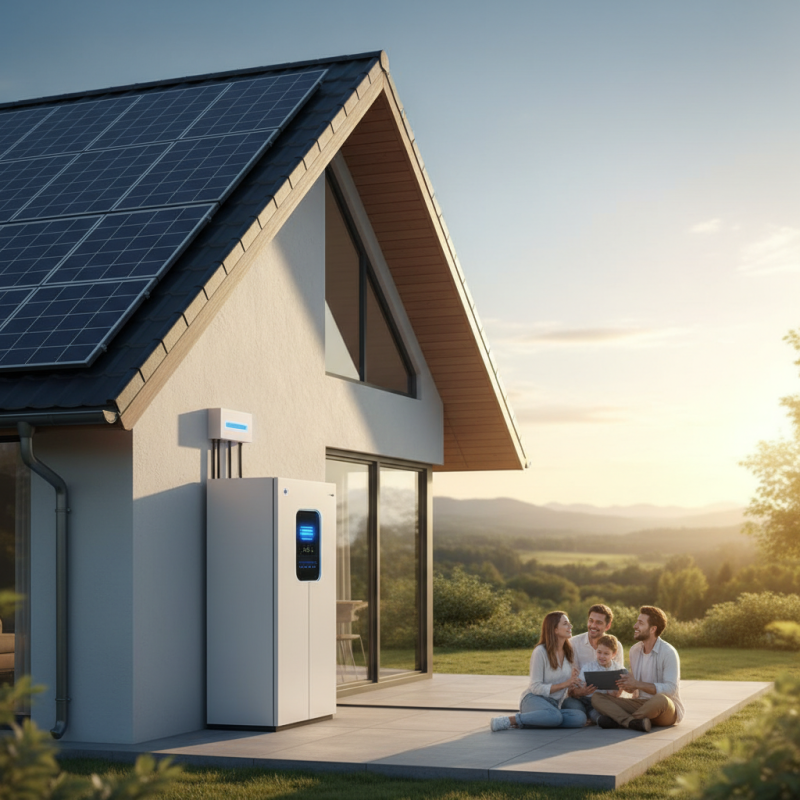
Solar storage systems store excess energy produced by solar panels. This can be used during times of low sunlight. With increasing electricity prices, these systems are becoming more popular. However, not all systems are created equal. Homeowners need to consider capacity, battery type, and installation costs.

Many systems may not meet every need. Some may lack longevity, while others are too expensive. It’s vital to evaluate the pros and cons. Solar storage can save money, but careful planning is necessary. Homeowners should conduct thorough research and seek expert advice.
How to Choose the Best Solar Storage System for Your Home?

Understanding Solar Storage Systems: Key Concepts and Benefits

When exploring solar storage systems, understanding their key concepts is essential. These systems store excess energy generated by solar panels. This energy can be used later, especially during cloudy days or at night. So, how much capacity do you need? It's wise to consider average consumption. A home uses about 30 kWh per day on average.

The benefits of solar storage are significant. They allow homeowners to become more energy-independent. Additionally, they can save on electricity bills. However, one must assess installation costs and potential savings. Sometimes, the setup can be pricey. Choosing the right size and type also matters. Too small a system means limited storage, while too large may lead to unnecessary costs.

Efficiency is another concern. Not all solar batteries perform equally. Their lifespan, typically 5 to 15 years, varies. Regular maintenance can help, but it’s not always straightforward. Homeowners should reflect on their long-term energy needs and lifestyle before making a decision. Balancing immediate benefits with future goals can be challenging, yet it's essential for a sustainable investment.

How to Choose the Best Solar Storage System for Your Home?

Feature Description Benefits
Battery Capacity Amount of energy stored, typically measured in kilowatt-hours (kWh). Ensures sufficient energy supply during outages and increases energy independence.
Round-Trip Efficiency Percentage of energy that can be retrieved from the battery after charging. Higher efficiency reduces waste and improves overall energy savings.
Warranty Period Duration for which the battery is guaranteed to function optimally. Longer warranties signify durability and reliability of the product.
Installation Type Options include grid-tied, off-grid, or hybrid systems. Flexibility in installation makes it suitable for various home setups.
Smart Features Integration with smart home systems for monitoring and control. Enhanced convenience and optimized energy usage patterns.

Evaluating Your Energy Needs: How to Calculate Storage Requirements

When evaluating your energy needs, start by calculating your daily energy consumption. List all electric appliances and their usage hours. For instance, a refrigerator might run for 24 hours, while your washing machine could operate for two hours. Multiply the wattage by the hours to get daily kilowatt-hours (kWh). This number helps determine your storage requirements.

Next, consider seasonal variations. In winter, you might consume more energy due to heating. During summer, cooling systems could lead to increased usage. Estimate your monthly energy needs for different seasons to ensure you have enough storage capacity. You might find some months require significantly more energy than others.

Reflect on your lifestyle. Are there days when you use less energy? Perhaps weekends have lower consumption. Understanding your energy patterns allows you to adjust storage systems effectively. It's crucial to recognize that oversizing your system can lead to unnecessary costs. Balancing your needs with potential energy savings creates a more sustainable solution.

Types of Solar Storage Systems: A Comparison of Options Available

When selecting a solar storage system, understanding the types available is crucial. Lithium-ion batteries are popular. They offer high energy density and fast charging. Yet, they can be pricey. Lead-acid batteries, on the other hand, are often more affordable. However, they have a shorter lifespan and less efficiency. This trade-off must be considered carefully.

Another option is flow batteries. These systems are known for their longevity and scalability. They allow for flexible capacity but typically require more space. It’s essential to assess your home's energy needs before choosing. Each type has its own advantages and drawbacks.

Tip: Evaluate your consumption patterns. This could reveal whether you need a larger capacity system or a smaller one. Also, consider future energy needs. As families grow, so do energy demands. Thinking ahead can save you from costly upgrades later. Balancing cost and efficiency is key. Don’t rush the decision. Take your time to weigh each option carefully.

Comparison of Different Types of Solar Storage Systems

Key Features to Look for in a Solar Storage System

When choosing a solar storage system, key features make a significant difference. One critical aspect is capacity. A system should match your energy consumption needs. A report from the International Energy Agency highlights that most households require between 5 kWh to 15 kWh of daily storage. Evaluate your usage patterns carefully; overestimating your needs can lead to unnecessary expenses.

Another important feature is the battery type. Lithium-ion batteries dominate the market due to their efficiency. They offer high energy density and longer lifespans. However, they can be costly. According to a 2022 report, lithium-ion systems can cost between $5,000 and $15,000. Sometimes, lead-acid batteries can be a more affordable choice, but they have shorter lifespans and lower efficiency.

Lastly, consider the system's warranty and longevity. Quality systems typically offer warranties of 10 years or more. This suggests a good level of reliability. But, not all warranties cover the same aspects. Some might exclude certain performance metrics. It's important to read the fine print. Remember, investing in a solar storage system requires thorough research and smart choices, as the right decisions can lead to long-term savings and sustainability.

Costs and Incentives: Budgeting for Your Solar Storage Solution

When considering a solar storage system, costs and incentives play a crucial role. The initial investment can be substantial. A typical residential solar storage system ranges from $10,000 to $30,000. This price depends on capacity and features. Some homeowners may feel hesitant due to these costs.

Incentives can help mitigate these expenses. Many regions offer tax credits. For instance, the federal solar tax credit allows homeowners to deduct 26% of installation costs from their federal taxes. Some states provide additional rebates that can further lower your investment. These incentives can significantly reduce your overall budget.

Tips: Research local programs. Understand available grants or rebates. Always check for eligibility requirements. You may find that financing options also exist, allowing for manageable monthly payments.

However, remember that not all systems have the same return on investment. The payback period can range from 5 to 15 years. Assess your energy needs carefully. Ideal systems should adapt to both your budget and energy usage. The right approach can lead to long-term savings, but mistakes can be costly and frustrating.