
What is the Best Pv Panels for Global Buyers?
As the demand for renewable energy grows, selecting the right Pv Panels becomes crucial for global buyers. Many factors influence the choice of these solar panels. Efficiency, cost, and brand reputation are key considerations. Buyers need to understand what works best for their specific needs.
Different regions have distinct requirements for solar energy generation. Climate, roof space, and local regulations all play a role in this decision. For instance, regions with high sunlight exposure may benefit more from high-efficiency panels. Meanwhile, budget-conscious buyers may lean towards more affordable options that offer decent performance.
It's important to recognize that not all Pv Panels are created equal. Some brands excel in durability and longevity but might come with a higher price tag. Other panels might provide better short-term savings but lack in long-term reliability. Thus, reflecting on one's priorities is essential in making an informed choice.
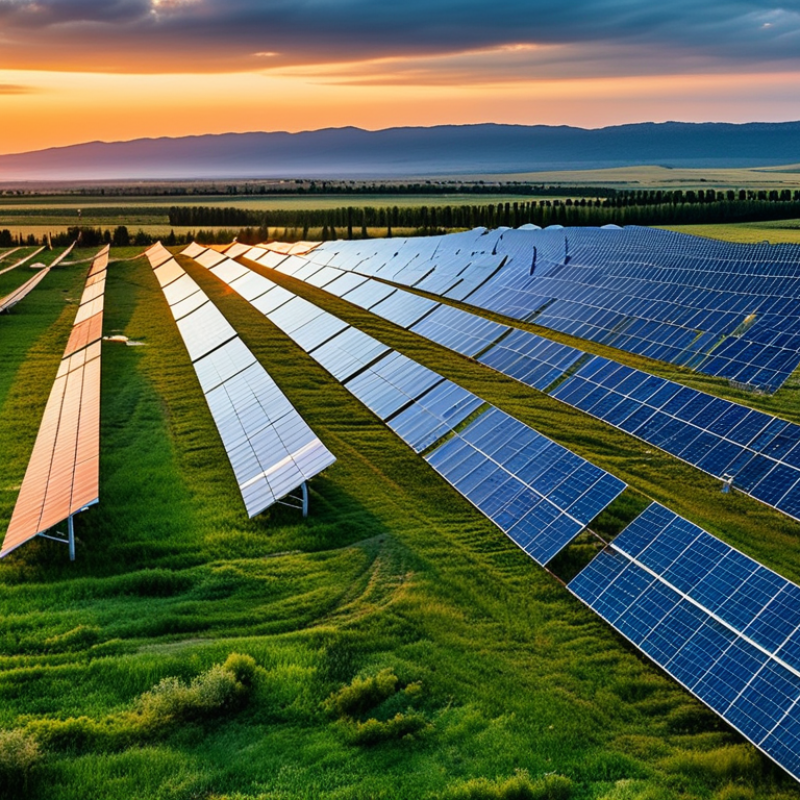
What Factors to Consider When Choosing PV Panels for Global Market
When selecting photovoltaic (PV) panels for the global market, several key factors must guide your decision. Efficiency ratings, durability, and warranty length are crucial. According to the International Renewable Energy Agency, the average efficiency of commercial modules is improving, hovering around 20%. This means that buyers should prioritize panels that maximize energy conversion and have a proven track record.
Price is another critical consideration. While premium panels may offer better performance, they come at a higher cost. A recent report from Wood Mackenzie indicates that solar panel prices have decreased by over 40% in the last decade. However, cost shouldn't be the sole factor. Long-term reliability is essential for a solid return on investment. Look for panels that can withstand harsh weather conditions and have robust manufacturing processes.
When evaluating options, reflect on production certifications. Tier 1 manufacturers often provide higher assurance of quality. Researching local regulations and incentives can also enhance your purchasing decision. It’s valuable to engage with local experts who can provide insight into the market demands in your area. Pay attention to the sizing and weight of panels, ensuring they fit your installation space effectively.
Consider adjusting your choices based on emerging technologies, like Bifacial or PERC cells. These innovations may not yet be commonly available but might redefine future installations. Always seek data-driven insights to support your choices.
Comparing Different Types of PV Panels: Monocrystalline vs. Polycrystalline
When choosing photovoltaic (PV) panels, understanding the differences between monocrystalline and polycrystalline panels is essential. Monocrystalline panels are made from single-crystal silicon, which allows them to achieve higher efficiencies. These panels typically perform better in low-light conditions, making them suitable for various environments. They also take up less space due to their higher power output. However, the manufacturing process is more complex, which often leads to higher costs.
On the other hand, polycrystalline panels consist of multiple silicon crystals, leading to a lower efficiency rate. These panels are generally cheaper to produce. They perform adequately in direct sunlight but may underperform in shaded conditions. Moreover, their larger size means more space is needed for installation. While polycrystalline panels can be a cost-effective option, they might not reflect the best long-term investment when efficiency and space are considered.
Deciding between these two types requires careful consideration of specific needs. Factors such as available space, budget, and installation conditions all come into play. It's essential to weigh the benefits of efficiency against the initial costs. Each option presents its own challenges. Understanding these nuances helps buyers make informed decisions in the complex solar market.
Comparison of Monocrystalline vs. Polycrystalline PV Panels
Assessing the Efficiency Ratings of PV Panels for International Buyers
When assessing the efficiency ratings of PV panels, several factors come into play. International buyers should look for panels with high performance and reliability. According to the International Energy Agency (IEA), the average efficiency of commercially available solar panels has increased significantly from around 15% in 2010 to over 22% in 2022. This progress highlights the importance of evaluating technology advancements in the solar market.
Moreover, efficiency ratings directly impact energy output. For instance, panels rated at 20% efficiency generate more electricity from the same sunlight exposure compared to those at 15%. The National Renewable Energy Laboratory (NREL) states that high-efficiency panels can produce up to 30% more energy over their lifespan. These figures underscore why buyers should consider efficiency as a crucial factor in their purchasing decisions.
However, efficiency alone isn't the complete picture. Other aspects like durability and warranty need consideration. Some highly efficient panels may have shorter warranties, raising concerns about long-term performance. Buyers should weigh these trade-offs carefully. Understanding nuanced factors in solar technology can lead to more informed choices that align with energy needs and sustainability goals.
Understanding the Cost-Benefit Analysis of PV Panels Globally
Understanding the cost-benefit analysis of photovoltaic (PV) panels globally reveals important insights for potential buyers. The initial investment in PV systems can be significant, often ranging from $10,000 to $30,000, depending on the installation size. However, reports indicate that average savings on electricity bills can reach $1,000 annually. As electricity prices rise, these systems can pay for themselves in about 5 to 15 years, depending on location.
It’s crucial to consider the efficiency of solar panels when analyzing costs. High-efficiency models can convert up to 22% of sunlight into electricity, compared to lower-efficiency panels that typically convert around 15%. This means that investing in more efficient models can significantly boost energy production over time. Factors like sunlight availability and local regulations also play a vital role in overall savings.
Research from the International Energy Agency highlights that countries with strong incentives for renewables see faster payback periods. However, fluctuating government policies can create uncertainty for buyers. Potential purchasers should conduct thorough research into available financial incentives and local solar conditions to gauge realistic returns on investment.
Understand the installation costs. These can impact your overall budget. Professional quotes can help clarify financial expectations. Buy from reputable sources to ensure long-term reliability.
What is the Best PV Panels for Global Buyers? - Understanding the Cost-Benefit Analysis of PV Panels Globally
| Region | Average Cost per Watt (USD) | Efficiency (%) | Payback Period (Years) | Lifespan (Years) |
|---|---|---|---|---|
| North America | $2.50 | 18-22 | 5-7 | 25 |
| Europe | $2.00 | 17-20 | 6-8 | 25 |
| Asia | $1.50 | 15-18 | 4-6 | 25 |
| Australia | $1.80 | 18-21 | 5-7 | 25 |
| South America | $1.70 | 16-19 | 5-6 | 25 |
Evaluating Manufacturer Reputation and Warranty Options for PV Panels
When choosing photovoltaic (PV) panels, evaluating manufacturer reputation is crucial. A reputable manufacturer often ensures higher quality products. Research shows that 80% of consumers consider brand reputation when selecting PV panels. Customer reviews and industry rankings can provide insights into a company’s credibility. Regular assessments or reports by industry analysts help buyers gauge the reliability of various manufacturers.
Warranty options also play a vital role in this decision-making process. Most PV panels come with warranties ranging from 10 to 25 years. Longer warranties often indicate confidence in product durability. According to recent studies, around 70% of solar panel owners feel that a robust warranty enhances their purchase satisfaction. However, not all warranties are alike. Some may cover only performance, while others include parts and labor. It’s essential to dissect these details to ensure comprehensive protection.
Considering these factors reveals the complexities buyers face. Many overlook the importance of researching manufacturer reputation and warranty specifics. Panels may perform well initially, but long-term reliability is often a reflection of a company’s history. With an evolving market, ongoing research is vital for informed decisions.
Related Posts
-
The Future of Best Pv Panels in 2025 A Comprehensive Guide to Emerging Technologies and Market Trends
-
How to Choose the Best Pv Panels for Your Home Energy Needs
-
Unlocking Sustainable Energy Solutions by Choosing the Best Solar Panel Suppliers for Global Procurement
-
Ultimate Guide to Choosing the Best Solar Panels for Your Home: A Global Procurement Perspective
-
2026 How to Maximize Solar Power Efficiency for Businesses?
-

12 Top Rated Solar Pv Panels for Global Buyers in 2023